
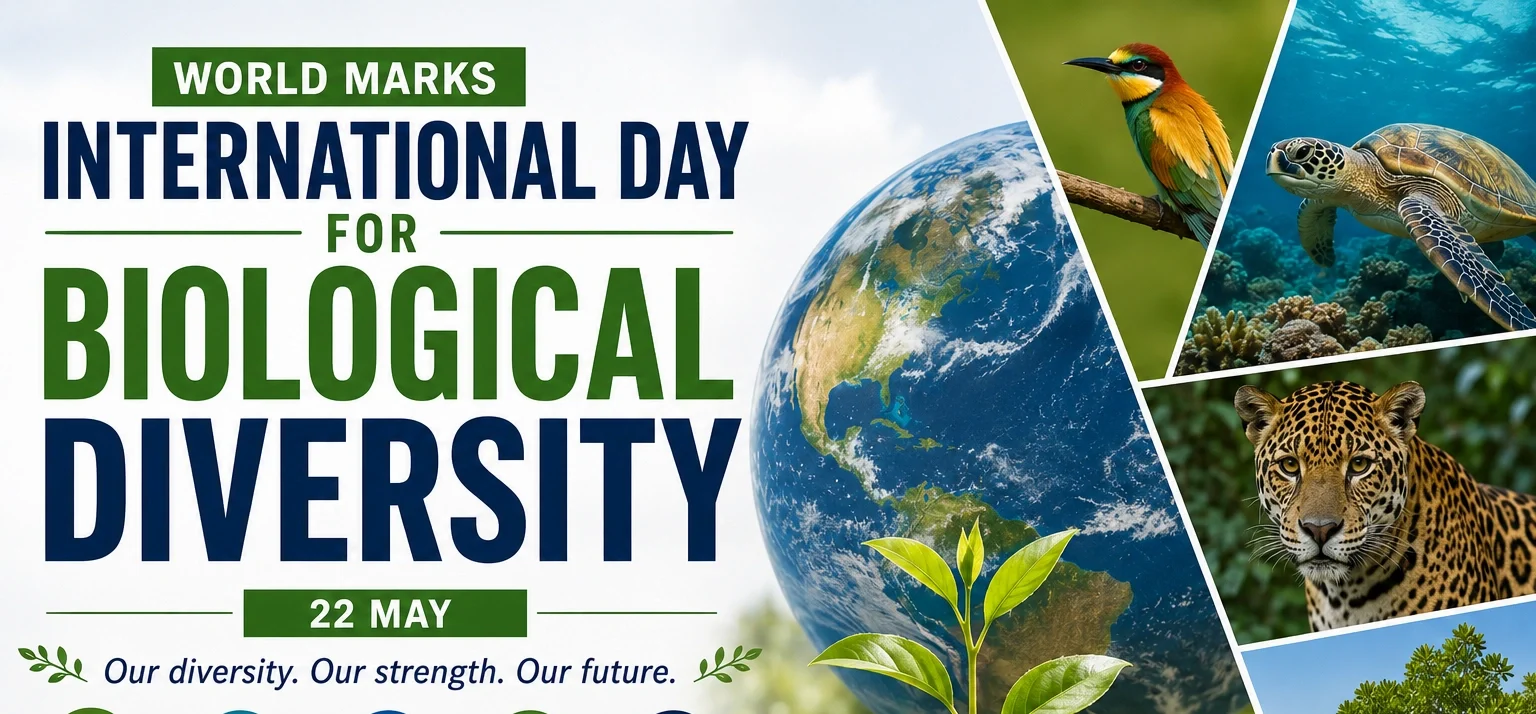
The United Nations has designated May 22, 2026, as the International Day for Biological Diversity, observing the theme “Acting locally for global impact.” The day serves to increase global understanding and awareness of biodiversity issues, highlighting the critical relationship between humanity and the natural world.
Biodiversity is defined as the variety of plant and animal species, as well as the diversity of ecosystems such as lakes, forests, and deserts. According to the UN, biological resources are the foundation of civilization. Fisheries provide 20 percent of animal protein for approximately 3 billion people, while over 80 percent of the human diet consists of plant-derived products. Additionally, nearly 80 percent of people living in rural areas in developing nations rely on traditional plant-based medicine for basic healthcare.
The loss of biodiversity is recognized as a threat to global health. Reports indicate that biodiversity loss can lead to the expansion of zoonoses—diseases transmitted from animals to humans—while intact ecosystems provide tools to fight pandemics like those caused by the coronavirus. To address these challenges, the UN adopted the Kunming-Montreal Global Biodiversity Framework in December 2022.