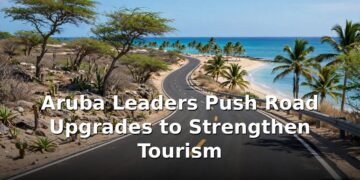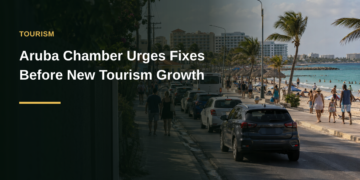


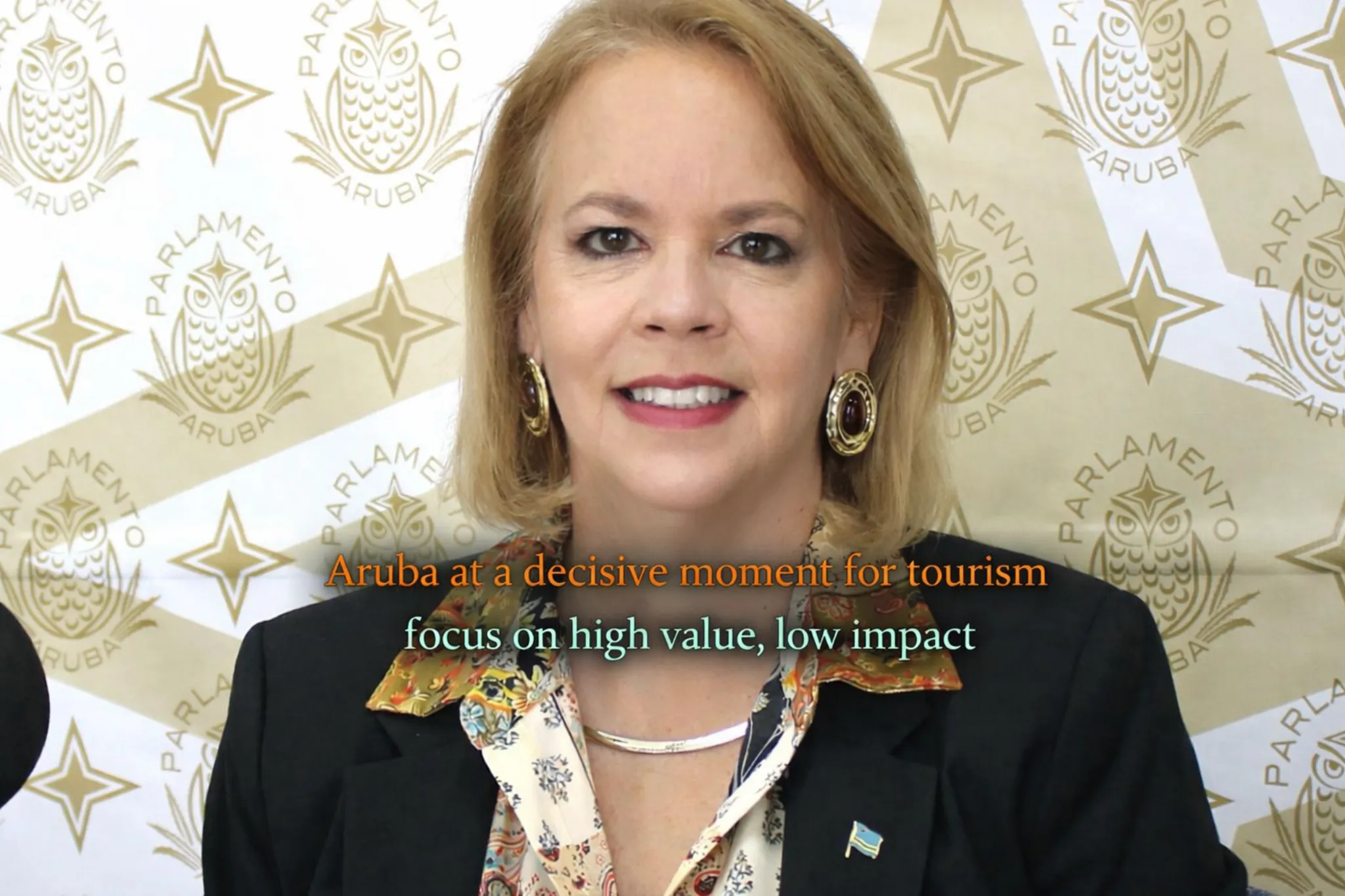
ORANJESTAD (AAN): Tourism is a crucial pillar of Aruba’s economy, but with growth, the island is also facing increasing pressures on traffic, housing, infrastructure, and the environment. The Wever-Croes government has chosen to shift the direction toward “High Value, Low Impact” tourism. This approach aims to create more economic value while reducing the pressure on the island and its community. This change is based on the community’s desire for a more sustainable tourism model post-pandemic.
However, there are concerns that the current government approach is not aligned with this vision. Instead, efforts are focused on increasing the number of flights to Aruba and boosting the influx of tourists, which only increases the pressure on the island. Many locals are expressing concerns that this approach is not sustainable.
The question remains: Do we want more tourists, or do we want more value from tourism?

The reality is that expanding air traffic and growing the number of visitors makes it difficult to mitigate the impact. Aruba cannot continue to grow without defining limits and striking a clear balance between the economy, community, and the environment.
Tourism is not just an economic issue; it impacts quality of life, living costs, housing, nature, and the future of the island.
To achieve a true High Value, Low Impact model, Aruba must:
- Focus not only on the quantity of tourists but especially on value.
- Protect the island’s capacity for hosting.
- Invest in quality of life.
- Ensure that more of the local economy benefits from tourism.
Aruba is at a crossroads: not to be the biggest, but to be the best-managed and most balanced destination.
“Success is not measured by how much we grow, but by how we grow,” said Minister Wever-Croes. This is the true challenge for Aruba’s future. From Parliament, the MEP faction will take the initiative to implement the true High Value, Low Impact vision.