

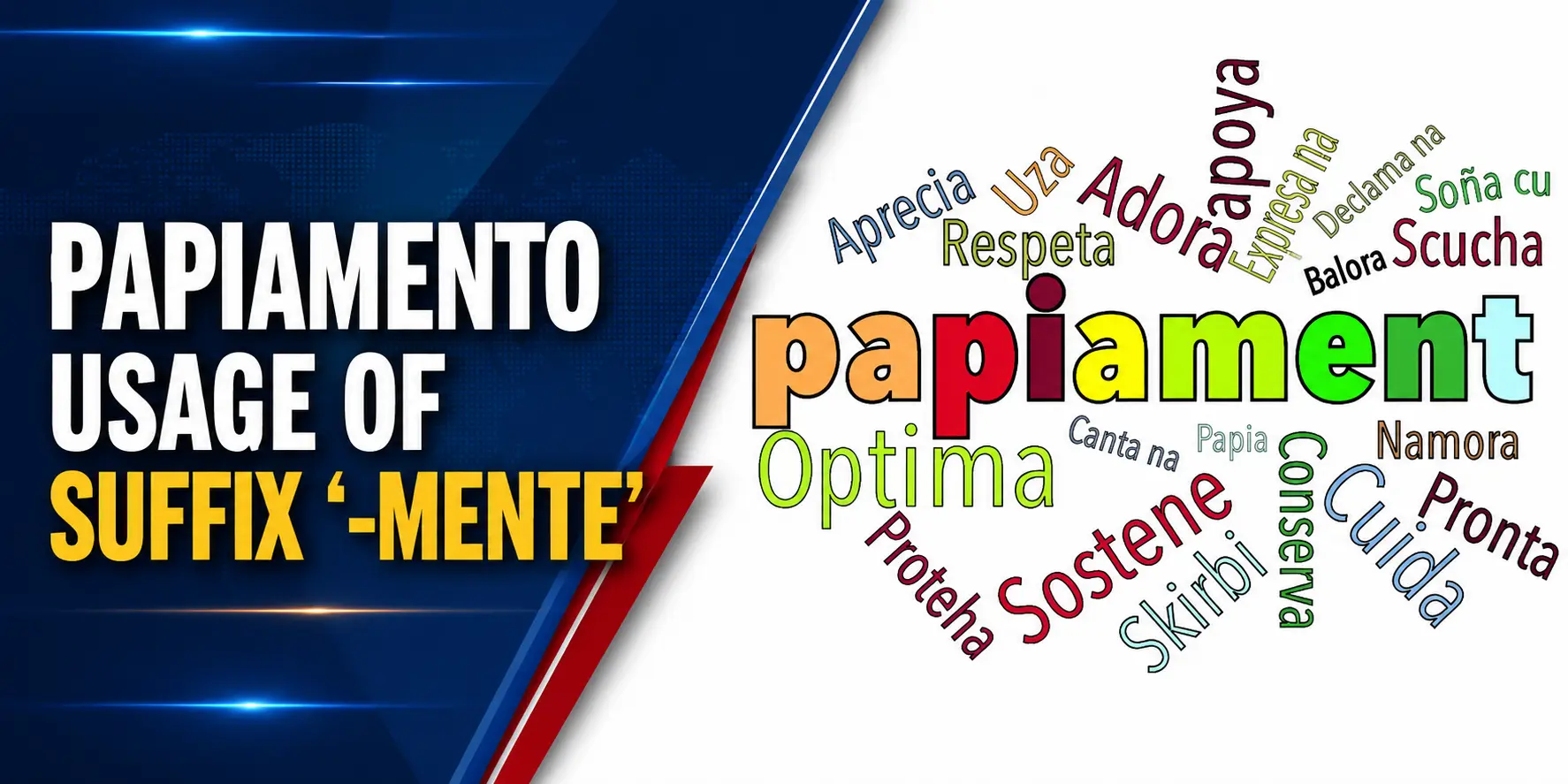
ORANJESTAD (AAN) – A recent linguistic column published locally has addressed the increasing prevalence of Spanish and Portuguese-derived words ending with the suffix “-mente” within the Papiamento language. The weekly feature dedicated to Papiamento highlights how these adverbs are becoming a staple in modern communication, prompting a discussion on their linguistic legitimacy.
The column observes that while these complex forms were not historically used as frequently, they are now common in written text and formal speech. The author explains that these words function similarly to adverbs in other Romance languages, modifying verbs or adjectives to describe how an action takes place. One key example discussed is the word “claramente,” which is contrasted with the Dutch-influenced “cla” and the fixed expression “claro.”
Although a review of the official Papiamento vocabulary shows that several “-mente” words, such as “significativamente,” are officially recognized, many others found in daily usage are absent. The column argues that the absence from the official dictionary does not invalidate these words. Instead, the author suggests that the adoption of these varied forms prevents monotony in writing and reflects the natural evolution of the language. The piece emphasizes that a richer vocabulary does not make the language poorer, but rather adds depth to its expression.