

Two New Publications Highlight Value of Botanical Knowledge and Medicinal Traditions in the Caribbean
Prime Minister Mike Eman recently received two significant publications that underscore the botanical knowledge and natural heritage of the Caribbean region. The works focus on plant identification and the practical use of medicinal plants, reinforcing the importance of preserving both scientific and traditional knowledge.
Zakflora: A Comprehensive Guide to ABC Islands Flora
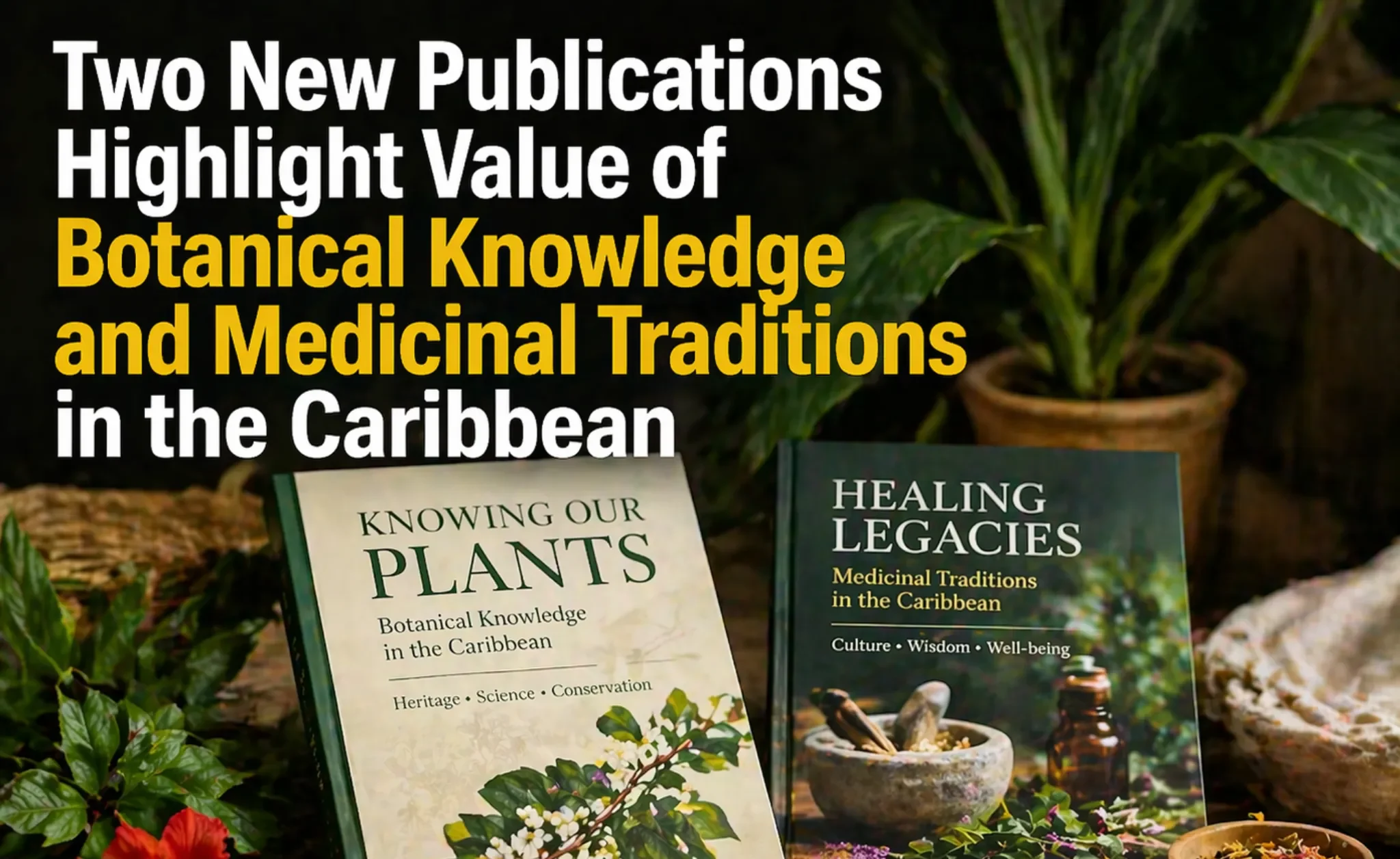
The first publication, Zakflora, was presented by biologist André van Proosdij. The work is considered a fundamental reference on the flora of Aruba, Bonaire, and Curaçao, covering nearly 600 species of plants found in the wild. The guide serves as an essential tool for professionals and nature enthusiasts, facilitating identification and, consequently, the protection of biodiversity across the islands.
During the presentation, officials emphasized the importance of continued documentation of local flora. Since the last edition, published in 2012, more than 100 new species have been identified in the region. Prime Minister Eman stressed that nature protection is a shared responsibility and that knowledge forms an essential foundation for conservation efforts aimed at future generations.

TRAMIL Practical Guide to Caribbean Medicinal Plants
The second publication is a practical guide developed by TRAMIL on Caribbean medicinal plants for primary health care. Notably, the guide has been published in Papiamento, making it accessible to the local community.
The guide offers accessible information on 38 species of medicinal plants commonly found in the Caribbean, with applications in primary health care. The publication is based on scientific research and regional experience, and is part of an effort to make traditional knowledge more accessible and responsibly available for community use. It includes practical information on plant usage, preparation methods, and guidance for safe application.
Combining Science and Tradition
The presentation of both works highlights the importance of combining science and tradition in the development of local knowledge. The meeting was characterized by an atmosphere of appreciation and recognition for initiatives that contribute to the preservation of nature and the strengthening of knowledge within the community.
Under the leadership of the Prime Minister, emphasis continues to be placed on the importance of knowledge, conservation, and collaboration for the sustainability of Aruba and the wider region.