


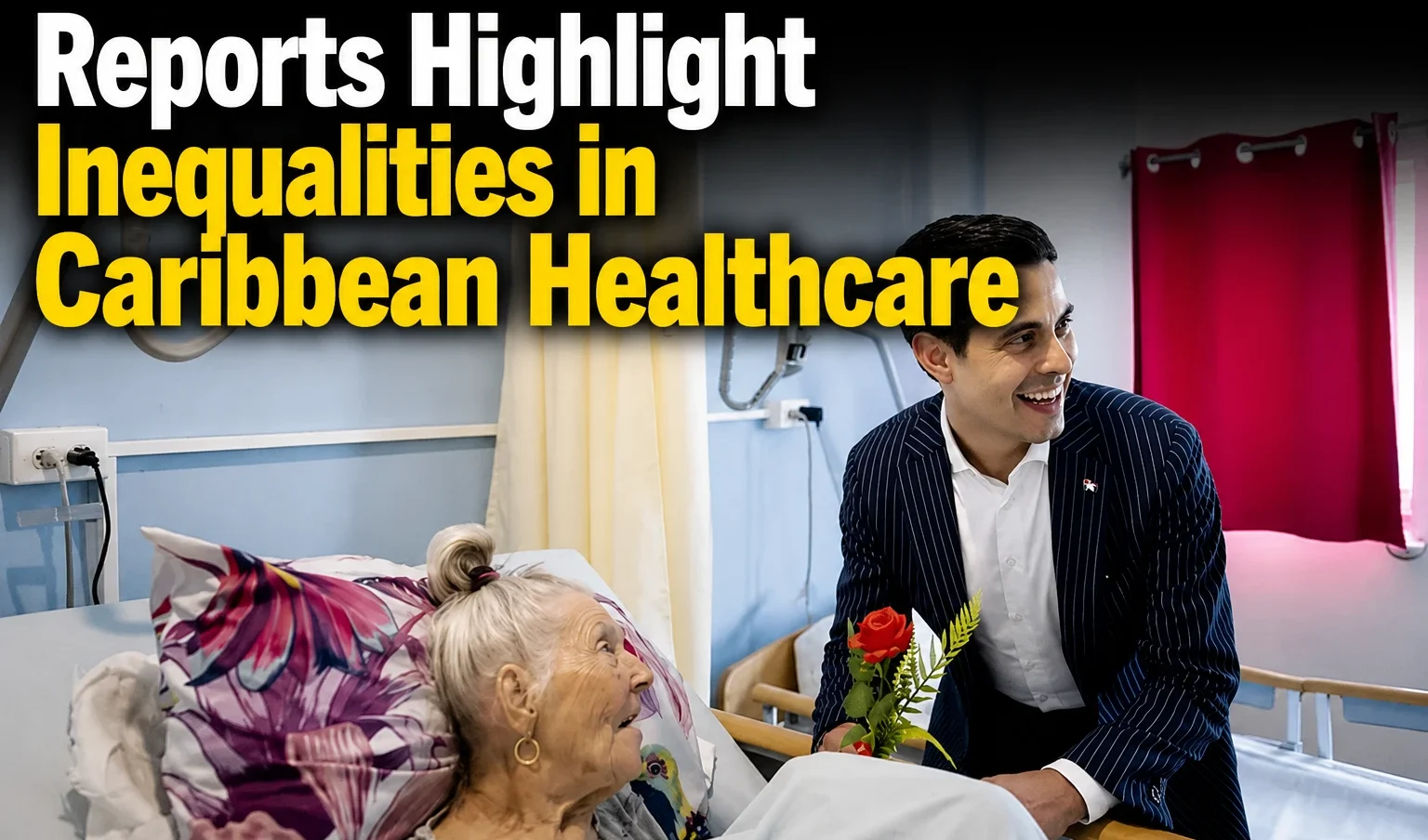
Two independent analyses have recently concluded that the quality of healthcare in the Dutch Caribbean is inferior compared to the Netherlands. Reports from the Caribbean Netherlands Care Commission and the National Coordinator against Discrimination and Racism (NCDR) indicate that the current system creates a significant disparity for residents in the Caribbean part of the kingdom.
The Caribbean healthcare Commission, led by former governor Frits Goedgedrag, concluded that only through radical reform and strengthening of the health system on Bonaire, Sint Eustatius, and Saba can true equality be achieved. The NCDR added that these inequalities are not isolated incidents but stem from historical colonial relations that continue to influence current healthcare dynamics.
While Public Health Ministers Sophie Hermans and Mirjam Sterk have stated their commitment to making care provisions equal to the European Netherlands, critics argue that these promises remain unfulfilled. University lecturer Robert Borst emphasized that it is time to end the two-tier system, which offers a high standard in Europe but a lesser standard in the Caribbean.

Observers have raised concerns that budget cuts at the Ministry of Public Health contradict expert advice to invest more in prevention and infrastructure. Political experts point to a “democratic deficit” as the reason for continued neglect, as the islands’ small population of approximately 32,000 holds little sway in national cabinet formation.