


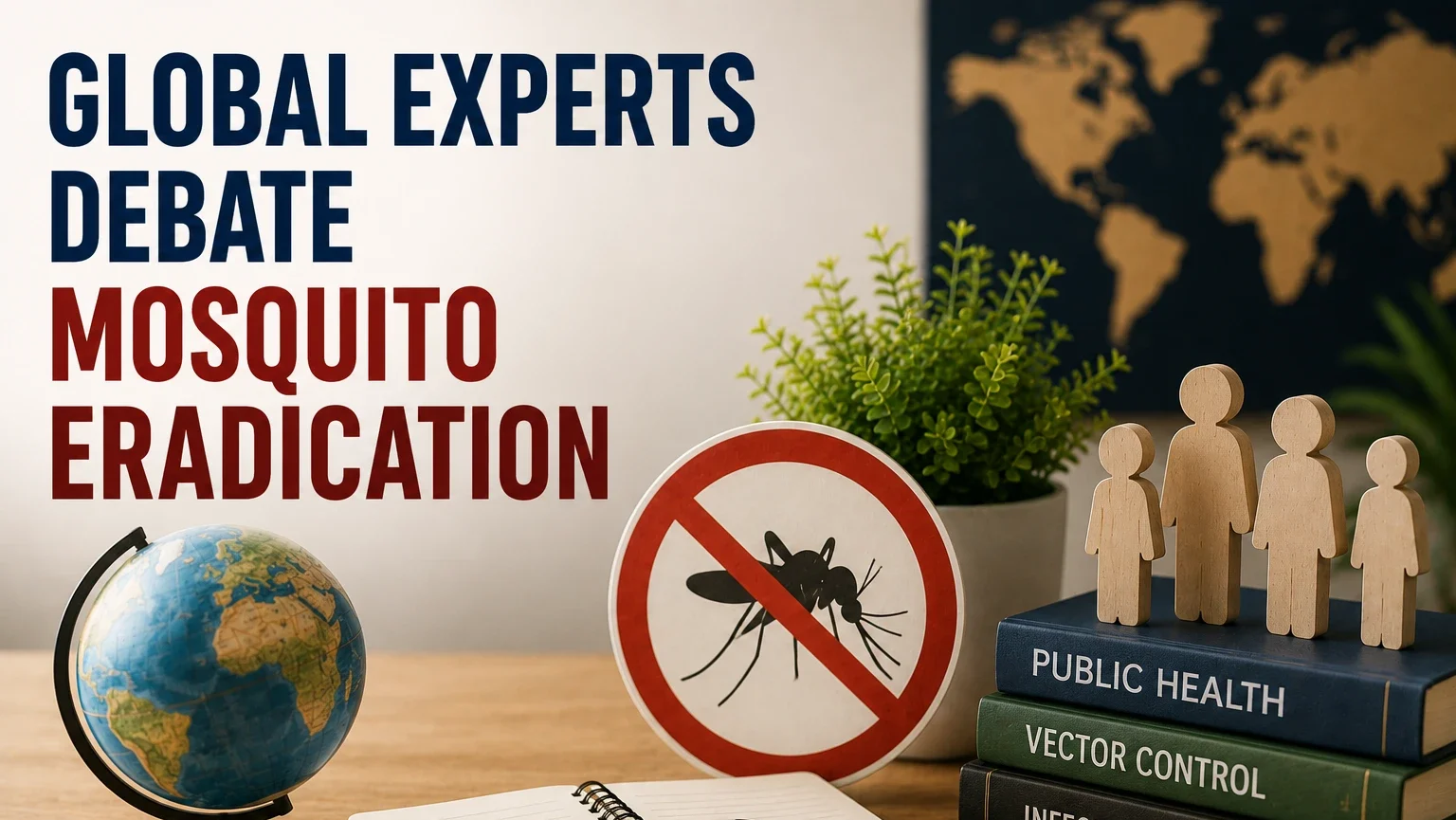
Global health experts are currently debating the feasibility and ethics of eradicating mosquitoes to combat the spread of deadly infectious diseases. According to data from Our World in Data, mosquitoes are responsible for approximately 760,000 deaths annually, far surpassing other dangerous animals, due to their role in spreading malaria, dengue, yellow fever, and Zika.
Hilary Ranson, a vector biologist at the Liverpool School of Tropical Medicine, explained that out of roughly 3,500 mosquito species, only about 100 bite humans. Furthermore, just five specific species are responsible for 95 percent of infections. Ranson argued that the potential loss of these five species is a tolerable trade-off given the immense human suffering and economic damage they cause.
Climate change is exacerbating the issue, as longer summers allow mosquitoes to expand into new territories. To combat this, organizations like Target Malaria are investigating gene-drive technology to suppress populations, while other strategies focus on making mosquitoes harmless. A significant success occurred in Niterói, Brazil, where releasing mosquitoes infected with Wolbachia bacteria reduced dengue cases by 89 percent.