

ORANJESTAD (AAN): In 2020, Aruba faced one of its most challenging moments in history. Families lost income, businesses closed, and many workers made sacrifices to help keep the country afloat during the COVID-19 crisis. Despite these hardships, the Aruban people demonstrated resilience, responsibility, and strength in the face of adversity.
However, questions about how public funds were managed during this crisis have arisen. A recent report from the Algemene Rekenkamer (General Audit Chamber) reveals a troubling reality: millions of florins were spent without a proper legal basis at the time of payment, with legislation to formalize these expenditures only coming into effect in 2022. The report underscores that the spending was made first, and the legal framework followed afterward, which raises concerns about the legality of these actions.
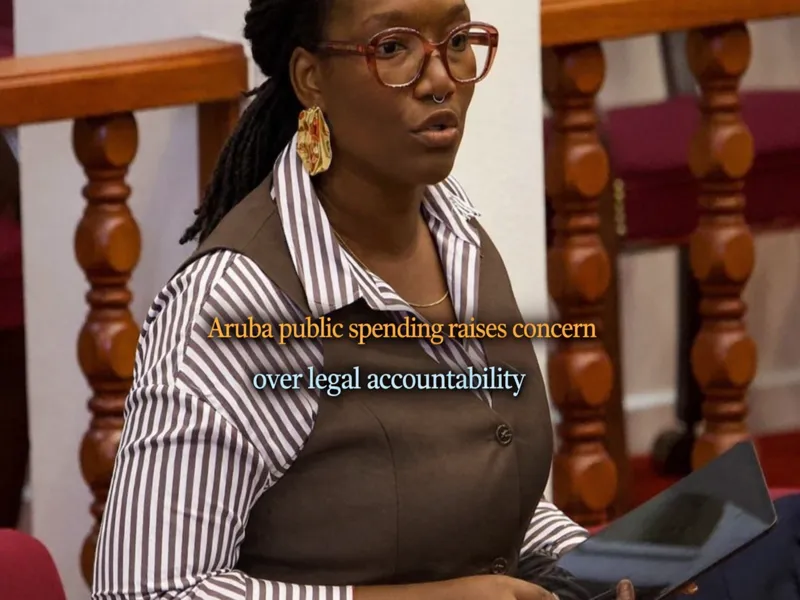
According to Parliamentarian Otami Thomasia from the AVP faction, it is important to understand the context. The financial sacrifices made by the public, such as salary cuts, loss of income, and economic difficulties, have not been equally shared. While the public sector endured significant sacrifices, the private sector began to recover, and the burden continued to fall disproportionately on government workers. The lack of a fair distribution of sacrifices has left the public feeling overburdened, especially considering the ongoing economic pressures.

The impact of this mismanagement has not been limited to 2020. Aruba’s debt has increased, creating future obligations and placing a burden on future generations. While the people have continued to sacrifice through taxes and economic hardship, the report highlights that public spending was done without proper authorization, and transparency has been significantly reduced.
Thomasia expressed concern about the absence of accountability, noting that while the public has accepted difficult decisions and sacrifices, the responsibility for the mismanagement has not been taken. He emphasizes that Aruba needs leadership that demonstrates discipline, transparency, and accountability to ensure that future public spending is done with the proper legal framework and oversight.
Aruba deserves better governance, and the time to reflect and correct the course is now. The people of Aruba are willing to make sacrifices, but they demand that their government be responsible, transparent, and accountable for its actions.