
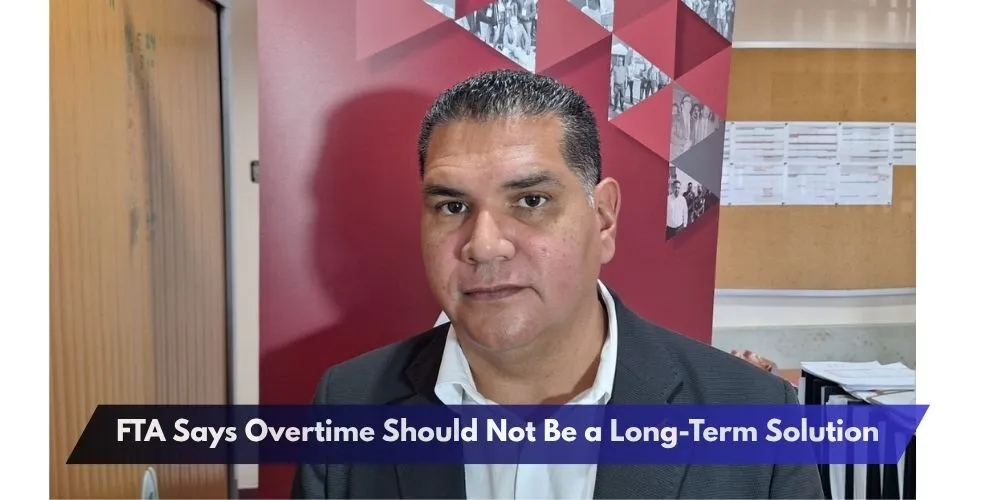
ORANJESTAD (AAN) – FTA Says Overtime Should Not Be a Long-Term Solution, with the union warning that ongoing labor shortages in Aruba’s hospitality industry are placing increasing pressure on workers and are not sustainable over the long term.
In a recent interview with Diario, Hose Figaroa, president of the Federacion di Trahadornan Arubano (FTA), discussed the continuing shortage of employees in the hospitality sector and its impact on workers.
According to Figaroa, FTA members have been reporting for some time that workloads have increased significantly because many businesses are operating with fewer employees than before.

He explained that where a restaurant may have previously operated with 12 to 15 waiters during an evening shift, many establishments are now functioning with only eight to ten employees. As a result, workers are taking on additional responsibilities and working longer hours to maintain service.
Figaroa acknowledged that overtime can initially be attractive because it increases employees’ earnings. However, he warned that consistently working extended hours leads to physical and mental fatigue.
Over time, he said, exhaustion can contribute to higher levels of sick leave among employees, making overtime an ineffective long-term solution.
“Overtime can help during a temporary period, but in the long run it is not sustainable,” Figaroa said.
He added that many workers have reached a point where they feel they can no longer continue carrying the increased workload, even though the additional hours provide higher income.
To address the labor shortage, Figaroa believes Aruba needs practical short-term measures while also developing a broader long-term workforce strategy.
He said he recently met with DIMAS (Department of Integration, Policy and Admission of Foreigners) to present recommendations regarding immigration policy. According to Figaroa, Aruba should develop a comprehensive migration strategy rather than focusing solely on the admission of foreign workers.
Such a strategy, he said, should include adequate housing, transportation, healthcare, and education to support a growing population and workforce.
Figaroa also pointed to demographic trends indicating that Aruba records more deaths than births each year, highlighting the need for careful long-term planning to ensure the island has enough workers to support its economy, particularly in key sectors such as hospitality and tourism.