


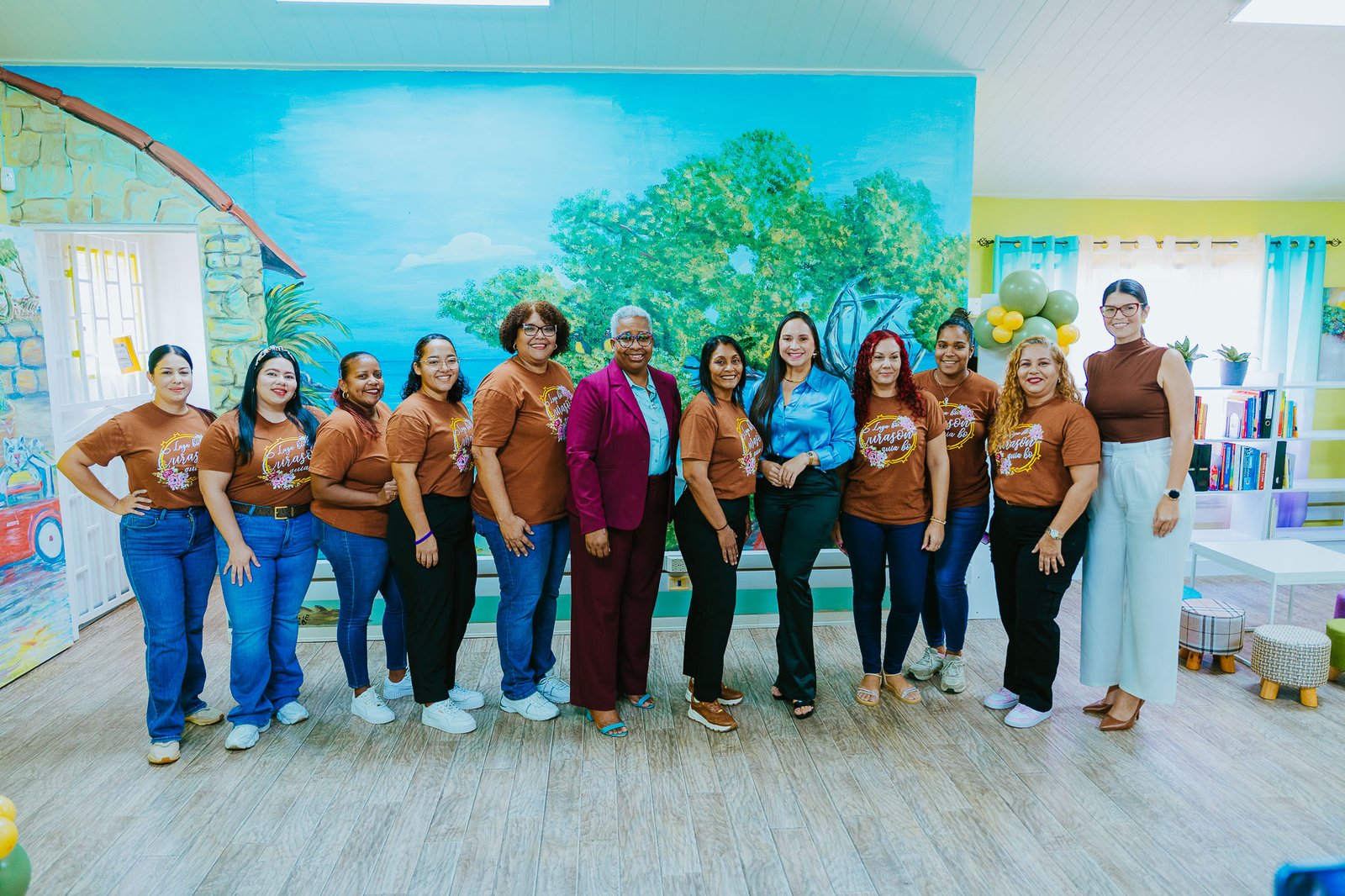

The Aruba education salary restructuring 2026 has officially been announced by Minister of Education Gerlien Croes, marking a major reform within the island’s education sector. The Ministry of Education confirmed the formal start of the restructuring process, which aims to recognize and strengthen the professional value of educators.
Beginning January 23, 2026, teachers and school leaders will receive their first adjusted salaries based on the new salary structure, which has been in effect since January 1, 2026. The implementation date holds symbolic value, as it coincides with UNESCO’s International Day of Education on January 24, highlighting Aruba’s commitment to education reform.
The Aruba education salary restructuring 2026 will be implemented in two phases, with the primary goal of correcting historical inequalities and modernizing the profession.
Phase 1 (2026–2028): Fairness and Salary Corrections
The first phase focuses on addressing long-standing salary disparities and ensuring fair compensation based on diploma level and responsibilities. Measures include salary alignment for primary school teachers, equal allowances for school leaders, inclusion of leadership allowances in pension calculations, and periodic salary increases effective from January 1, 2026 and January 1, 2028. Classroom assistants will also receive salary adjustments, including alignment between different pay scales, while accelerated salary equalization will apply to primary school teachers approaching retirement between 2026 and 2028.
These changes are designed to enhance professional dignity, pension security, and overall stability within the education sector.
Phase 2: Professionalization and Educational Innovation
The second phase centers on professional development and innovation. Career growth and personal development will be directly linked to salary progression. The government will invest in a modern pedagogical framework that promotes active youth participation, stronger student voices, and a culture of collaboration between teachers, students, and school communities.
This approach recognizes students not merely as recipients of education, but as active contributors to their own learning paths.
By aligning the first salary changes with the International Day of Education, the government sends a clear message: investing in teachers, professional development, and youth participation is an investment in Aruba’s future. The government reaffirmed its commitment to a fair, human-centered, and future-oriented education system that fosters knowledge, citizenship, leadership, and social engagement.
















Discussion about this post