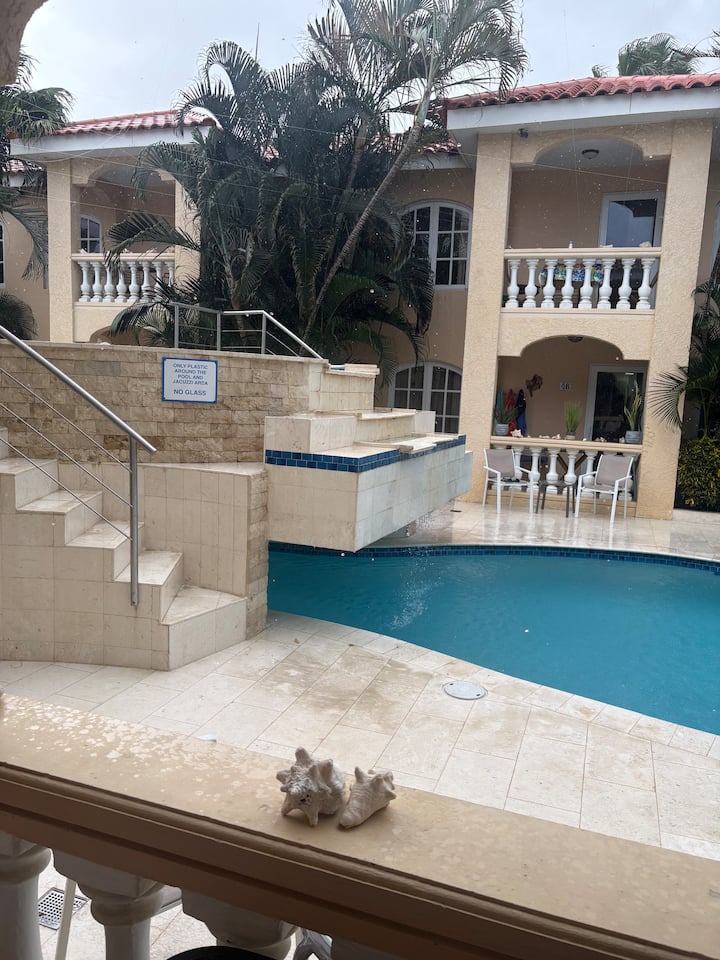



Aruba is currently grappling with a serious dilemma as it determines the future of its tourism development. During an interview on Magic FM on Thursday morning, Minister Gerlien Croes revealed that two hotel projects still have official permits to proceed with construction. However, the government has not disclosed which hotels or operators are involved in these projects. Despite the official permissions, the government has been unable to stop the projects or reach a final agreement with the investors.
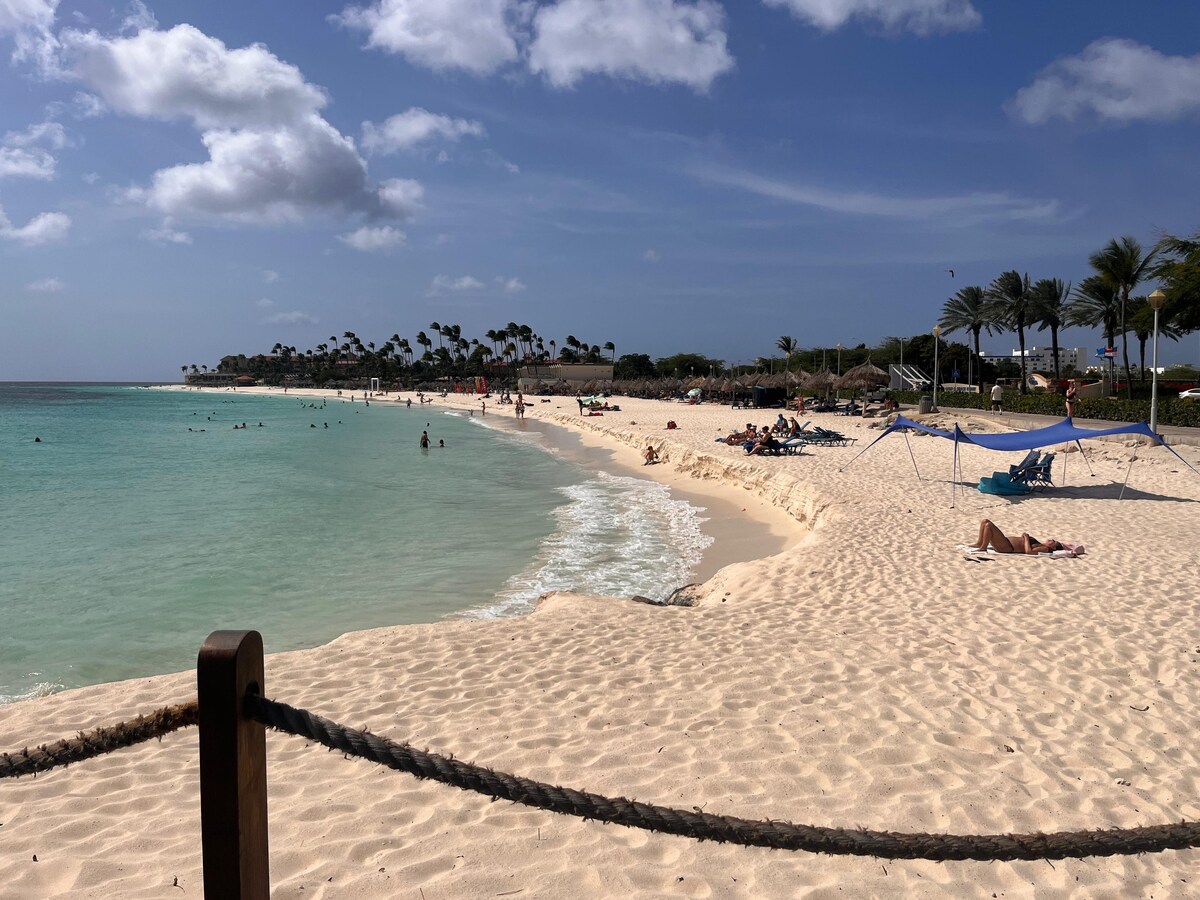
This revelation comes at a time when discussions on the limits of Aruba’s tourism growth are intensifying. There is increasing concern that Aruba has reached its capacity for large hotel developments, especially in the traditional form that has dominated the island for decades. Pressure on the beaches, infrastructure, and environment is mounting, while residents are feeling the direct impact on their quality of life.
The legal reality surrounding these projects, however, is more complex than simply halting construction. The two projects mentioned have formal approvals that were granted in the past. This means that the government is bound by certain obligations. Unilaterally canceling or delaying the projects without resolution could open the door for legal action against the country. The risk is not hypothetical. If the investors decide to go to court, Aruba could face multimillion-dollar claims, placing further strain on public finances. In a period where fiscal discipline is crucial, and international confidence is vital, a conflict of this magnitude could have significant consequences.

This situation places the government in a difficult position: on one hand, there is an urgent need to protect the island from tourist overdevelopment and move towards a more sustainable model; on the other hand, there are legal commitments that cannot be ignored without consequence.
The pending hotel projects symbolize a larger issue: decisions made in the past are now clashing with the present reality. Aruba must choose between continuing a growth model that has already shown its limits or paying a steep price to correct the course. No matter which path is chosen, one thing is certain: the decision regarding these projects is not just about two hotels, but about how Aruba will shape its future.