

At a crucial moment in Aruba’s history — when the island was searching for its own voice and identity — DIARIO was born as the powerful voice of a people longing to speak for themselves.
In an era when the desire for freedom was stronger than ever, DIARIO became the echo of hope, the reflection of pride, and the channel for the opinions and feelings of every Aruban who believed in a future for their own island.
It was not just a newspaper — it was a movement, a testament of faith in Aruba and in the power of free expression.

DIARIO was created during a time when Aruba’s people were calling for separation from the Netherlands Antilles, and the struggle for independence reached its peak in the late 1970s. Back then, almost all newspapers sold in Aruba came from Curaçao, where editors in Willemstad decided what could or couldn’t be published. Articles supporting Aruba’s autonomy were often excluded, making it difficult for the Aruban people to have their voices heard.
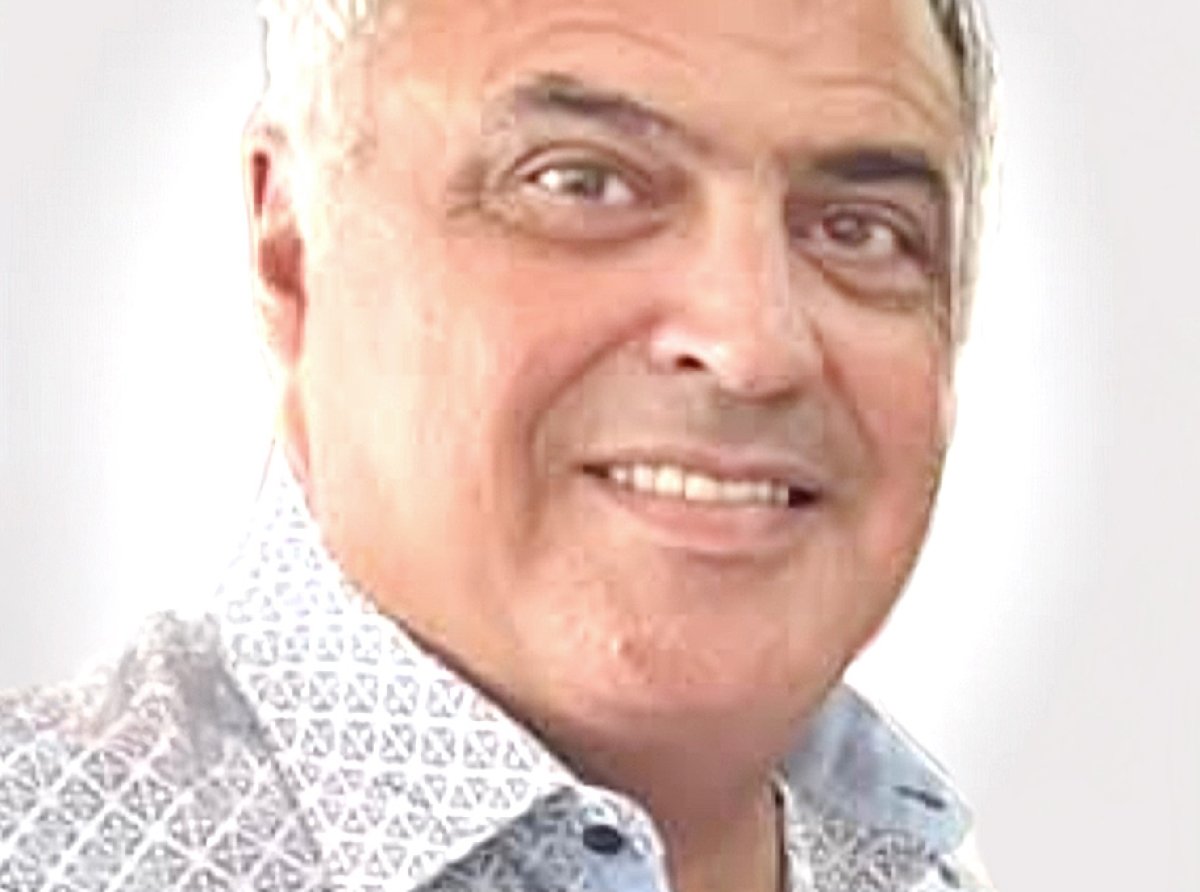
That changed when Nuhad Mansur, a true visionary, encouraged Jossy Mansur to start a newspaper printed in Aruba. And so, on Monday, November 3, 1980, the very first edition of DIARIO hit the streets — a genuine Aruban morning newspaper dedicated to representing the people’s cause and bringing comprehensive local news coverage.
The impact was remarkable. Instead of just a few pages about Aruba inside Curaçao’s newspapers, readers now had 16 full pages dedicated entirely to their island. News from every corner of Aruba began receiving attention — from culture and politics to sports and social issues.
DIARIO quickly became known as “The Truly Aruban Morning Paper.” It earned the community’s trust because it listened to the people and helped them solve local problems faster than many official institutions. Over the years, DIARIO became a household name — a paper that stood for truth, trust, and love for Aruba.
Its journalists worked day and night to report the facts — locally and internationally — earning the confidence of citizens. From major events like the disappearance of Natalee Holloway to community issues like water leaks or road repairs, DIARIO was always the first to respond.
Today, as we celebrate 45 years of DIARIO, we also remember that in February of this year, the newspaper marked 30 years since it began using digital cameras, a sign of its evolution and dedication to innovation.
To everyone who contributed to keeping DIARIO alive through passion and perseverance — our heartfelt gratitude.
After 45 years, DIARIO continues to stand firm on its founding principles: truth, trust, and love for Aruba.
The paper may change, technology may evolve, but its commitment to the people remains unshaken.
In every page, in every word, beats the same spirit of freedom that inspired its birth in 1980. DIARIO remains a symbol of resistance, unity, and national pride.
45 Years of DIARIO — proof that truth has never harmed any cause, any person, or any nation.
Photo Credits : https://diario.aw/categories/noticia/general/editorial-un-pueblo-sin-voz-ta-un-pueblo-sin-alma












Discussion about this post