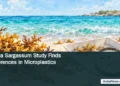


An Aruba sargassum study by University of Aruba student Josianne Vrolijk found differences between the microplastics present in newly arrived seaweed and material that had remained along the coast longer, NoticiaCla reported on October 21.
Samples collected at 11 beaches
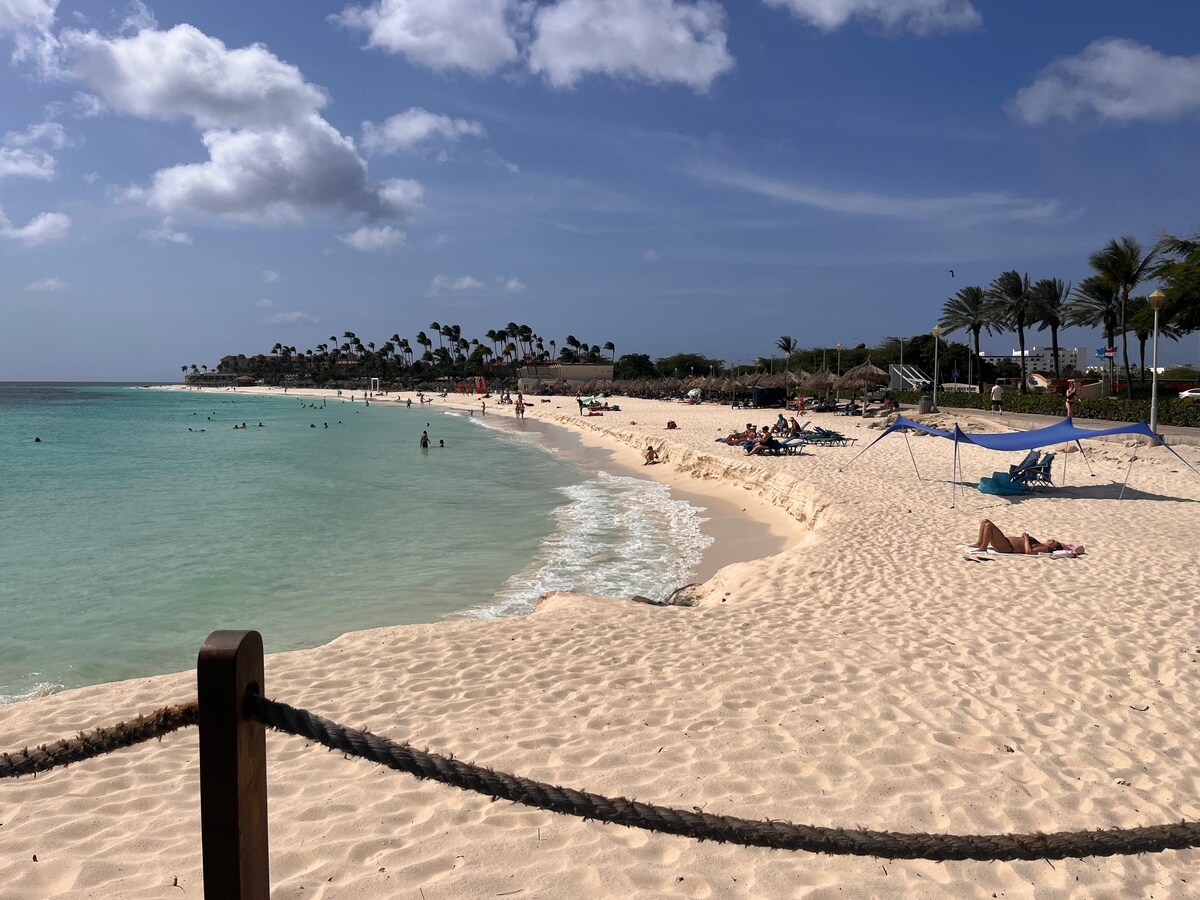
Vrolijk, a Bio-Environmental Sciences student, examined sargassum and coastal sediments at 11 beaches: eight on Aruba’s northern side and three on its southern side, according to the report.
The microplastic types in fresh sargassum differed from those in older accumulations. Particles in the older seaweed more closely resembled those found in nearby sand and sediments, the outlet reported.

Further work needed on coastal movement
Vrolijk said more research is needed to understand how microplastics move and become distributed around Aruba’s coastline. The reported findings describe a complex relationship; they do not establish a single source of the particles or a measured health risk.
According to NoticiaCla, Vrolijk successfully graduated and plans to pursue a master’s degree at the University of Groningen in the Netherlands.
Source: NoticiaCla’s report on the research.