


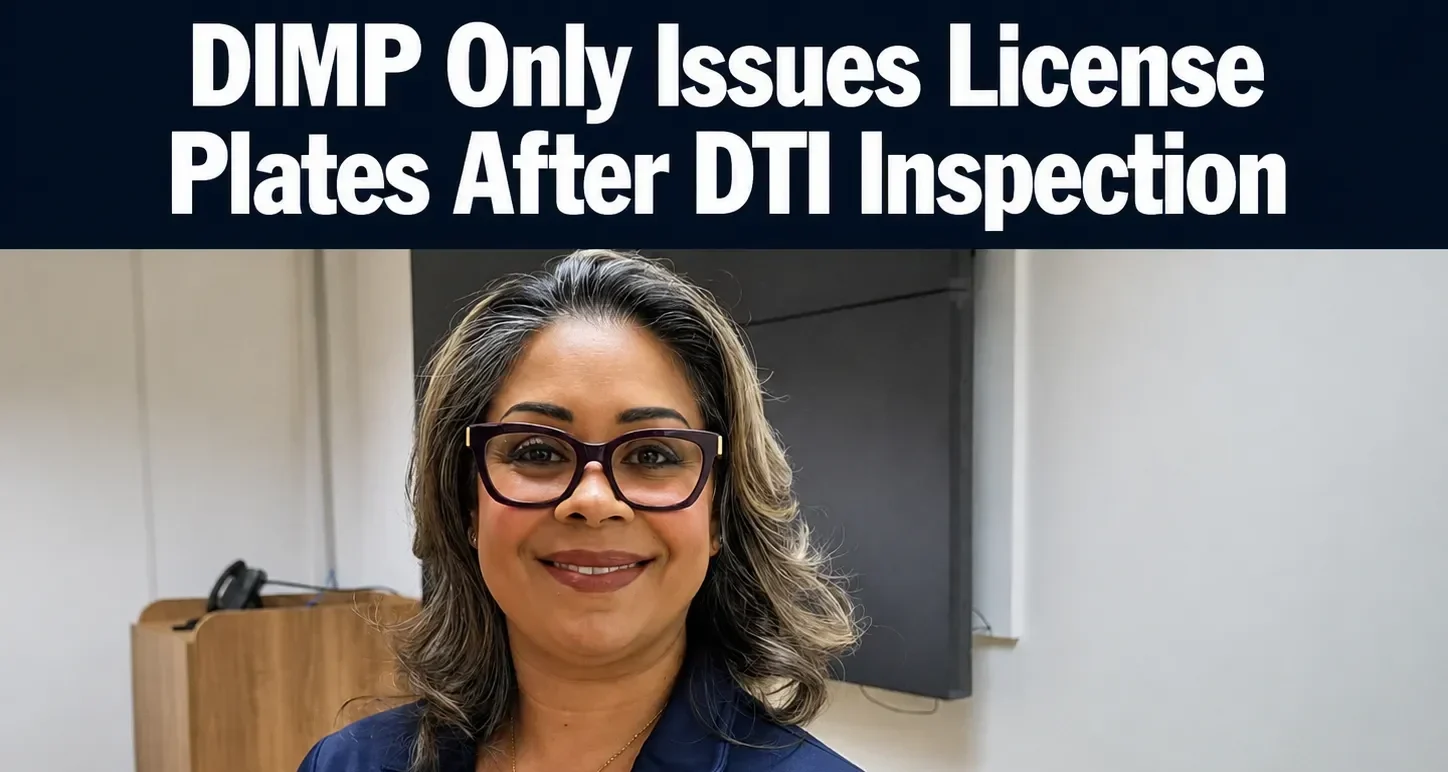
ORANJESTAD (AAN) – DIMP Director Luenne Gomez-Pieters clarified the department’s role regarding the growing discussion surrounding e-steps, e-bikes, e-choppers, and other motorized vehicles in Aruba.
In an interview with DIARIO, Gomez-Pieters explained that DIMP does not manage traffic safety matters directly, but instead focuses on tax collection and vehicle registration procedures according to Aruba law.
She stated that a traffic commission made up of several government departments and representatives from the Ministry of Justice advises the Minister of Justice on these matters.

According to Gomez-Pieters, DIMP follows the legal procedures already established for vehicle registration. Before license plates can be issued for any motor vehicle, the vehicle must first pass inspection by DTI.
Aruba recognizes different categories of motor vehicles, including cars, motorcycles, buses, and taxis. However, with the recent rise of e-steps, e-bikes, and similar vehicles, questions have emerged regarding whether these vehicles also fall under motor vehicle regulations and tax requirements.
Gomez-Pieters explained that vehicles must comply with the national vehicle safety regulations before DTI approves them for public roads. These requirements include proper mirrors, brakes, lights, seatbelts, and other mandatory safety features.
Once a vehicle successfully passes the DTI inspection process and is approved for use on public roads, DIMP can then issue official license plates such as A, MFA, or TX plates.
The current discussion mainly focuses on whether e-steps, e-bikes, and similar vehicles legally qualify as motor vehicles under Aruba law. If they do not fall within the recognized categories, they are not permitted to operate on public roads.
Gomez-Pieters noted that this conclusion was also reached by the traffic commission advising Justice Minister Arthur Dowers, who has already begun actions to remove these vehicles from public roads.