


ORANJESTAD (AAN):
News that U.S. Armed Forces allegedly entered Caracas and captured Venezuelan President Nicolás Maduro and his wife Cilia Flores sent shockwaves around the world and placed Aruba under maximum alert. As a result, and following advice from the Kingdom of the Netherlands, Aruba’s airspace was closed on Saturday, January 3, 2026, with authorities evaluating when it can safely reopen.
This decision has had a direct economic impact on the island. Nevertheless, Aruba hopes that the geopolitical situation will stabilize so that operations can return to normal as soon as possible.
The PPA parliamentary faction stated that as early as September 2025, it had already sent a letter through the President of Parliament requesting an urgent meeting to address the escalating situation that has now culminated in the alleged capture of Maduro and his wife.

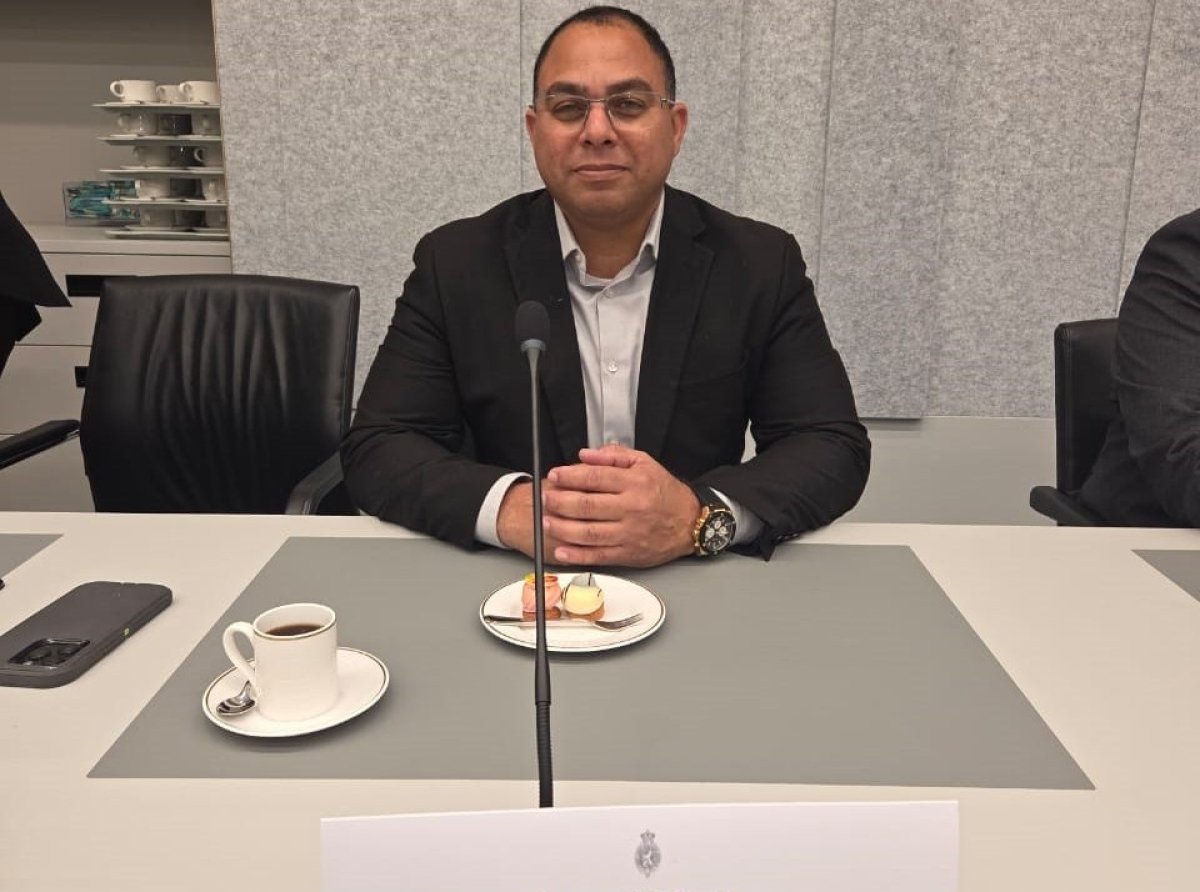
According to Eduard Pieters (PPA), the reason for the faction’s continued insistence on dialogue with the government is Aruba’s investment over the past ten years in building a robust crisis management system designed to mitigate or eliminate negative consequences from threats such as public health emergencies, environmental disasters, cyber incidents, geopolitical conflicts, or war.
Pieters emphasized the role of the Crisis Management Office (CMO), which structurally coordinates efforts to make Aruba more resilient. The CMO is staffed by local professionals and supported by international expertise, ensuring that Aruba can recover quickly in times of crisis. He pointed out that this system proved effective during the COVID-19 pandemic, helping Aruba limit large-scale loss of life and stabilize its economy after severe disruptions.
Aruba now faces another potential threat. Pieters explained that in December, after attending a public meeting in the Netherlands where Dutch ministers presented four different scenarios related to the U.S.–Venezuela conflict, the PPA faction reconvened with the government in a Senior Council meeting. During that meeting, the faction urged the government to continue relying on coordinated crisis management through the CMO to prevent the situation from worsening.
Concrete examples include collaboration with key institutions such as ATA, AHATA, and DEHZI to reduce economic damage, as well as conducting a comprehensive inventory of Aruba’s logistical resources to determine how long the island could function in the event of food, fuel, or import shortages. Pieters noted that the Prime Minister recently confirmed that such an inventory had indeed been conducted by local professionals under the coordination of the national crisis team.
“Aruba has already gone through a global public health crisis,” Pieters said. “We learned from it, and we can apply those successful interventions again. We must show leadership and allow our local experts, in collaboration with international specialists, to do their work.”
He concluded by stressing that Aruba does not need to reinvent the wheel. The professionals within the crisis management system know what must be done. Leaders must trust them to protect Aruba’s economy, security, and social stability, while avoiding unnecessary panic.
“This is a serious situation, but we must not panic. We must take clear action based on the advice of our crisis professionals. God bless our island, and may the Holy Spirit guide our leaders and experts,” Pieters concluded.
Photo Credits : https://diario.aw/categories/noticia/general/awo-mas-cu-nunca-aruba-mester-confia-den-su-sistema-di-maneho-di-crisis













Discussion about this post