


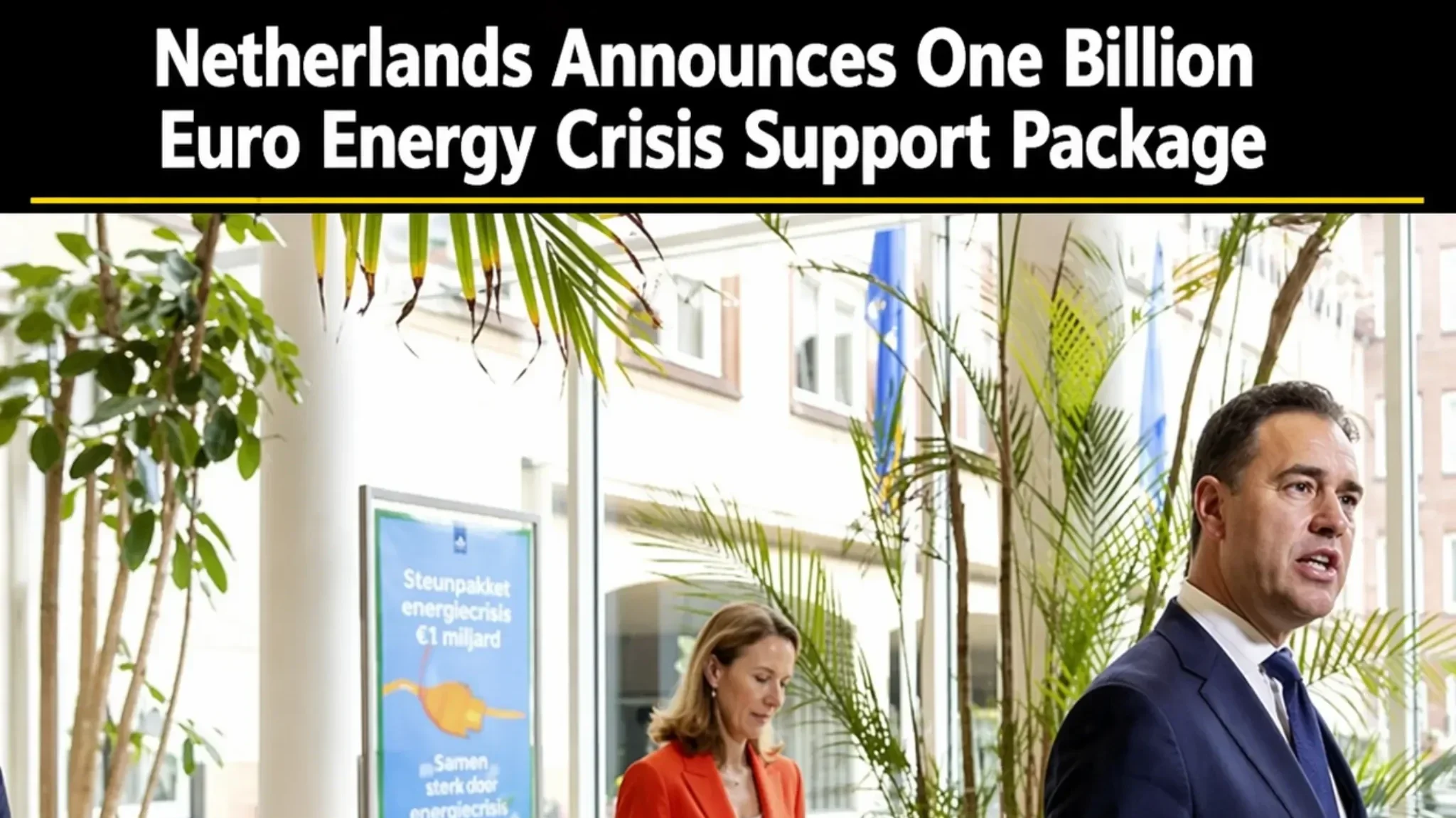
The Dutch cabinet has announced a nearly one-billion-euro support package to address the consequences of the global oil crisis, with measures targeting citizens, businesses, fishermen, and farmers across the Netherlands.
The announcement comes just one week after Aruba’s Parliament convened to discuss the island’s own geopolitical and economic crisis situation. The Dutch measures are a direct response to the ongoing oil supply disruptions linked to the Iran conflict.
The cabinet has officially activated the oil crisis plan, though this does not mean an immediate shortage exists. Rather, it signals that petroleum supplies are under strain. The government will continue monitoring which sectors may face difficulties and is preparing additional measures should a real oil scarcity develop.

Key measures in the package include an increase in the tax-free mileage reimbursement rate from 23 to 25 cents per kilometer, applied retroactively for all of 2026. According to the cabinet, this could result in a reduction of approximately 30 cents per liter of fuel at the pump. However, employers will have the discretion to decide whether to implement the reimbursement.
Additional provisions include reduced taxes on commercial vehicles (vans), reactivation of the energy emergency fund for low-income households, and increased subsidies for home insulation. The fishing sector will receive 25 million euros to reduce its dependence on fossil fuels, with a matching amount allocated to farmers to decrease reliance on synthetic fertilizers.
For businesses, certain conditions for government subsidy applications will be relaxed. However, the package will be financed in part through tax increases and the elimination of some tax benefits. Notably, the alcohol tax will increase, and the “starter deduction” for self-employed workers in the private sector will be eliminated.
The cabinet will debate the support package with parliament on Sunday, which will determine whether sufficient backing exists for the proposed measures.
Meanwhile in Aruba, the government has absorbed approximately 49% of the drastic increase in gasoline prices, shielding consumers from the full impact of rising fuel costs.