


As American negotiators board flights to Islamabad, **President Donald Trump** has ordered the blockade of the **Strait of Hormuz** and the seizure of vessels flying under the Iranian flag. Meanwhile, **Israel** continues its military operations against **Lebanon**, signaling that neither nation intends to de-escalate the ongoing conflict.
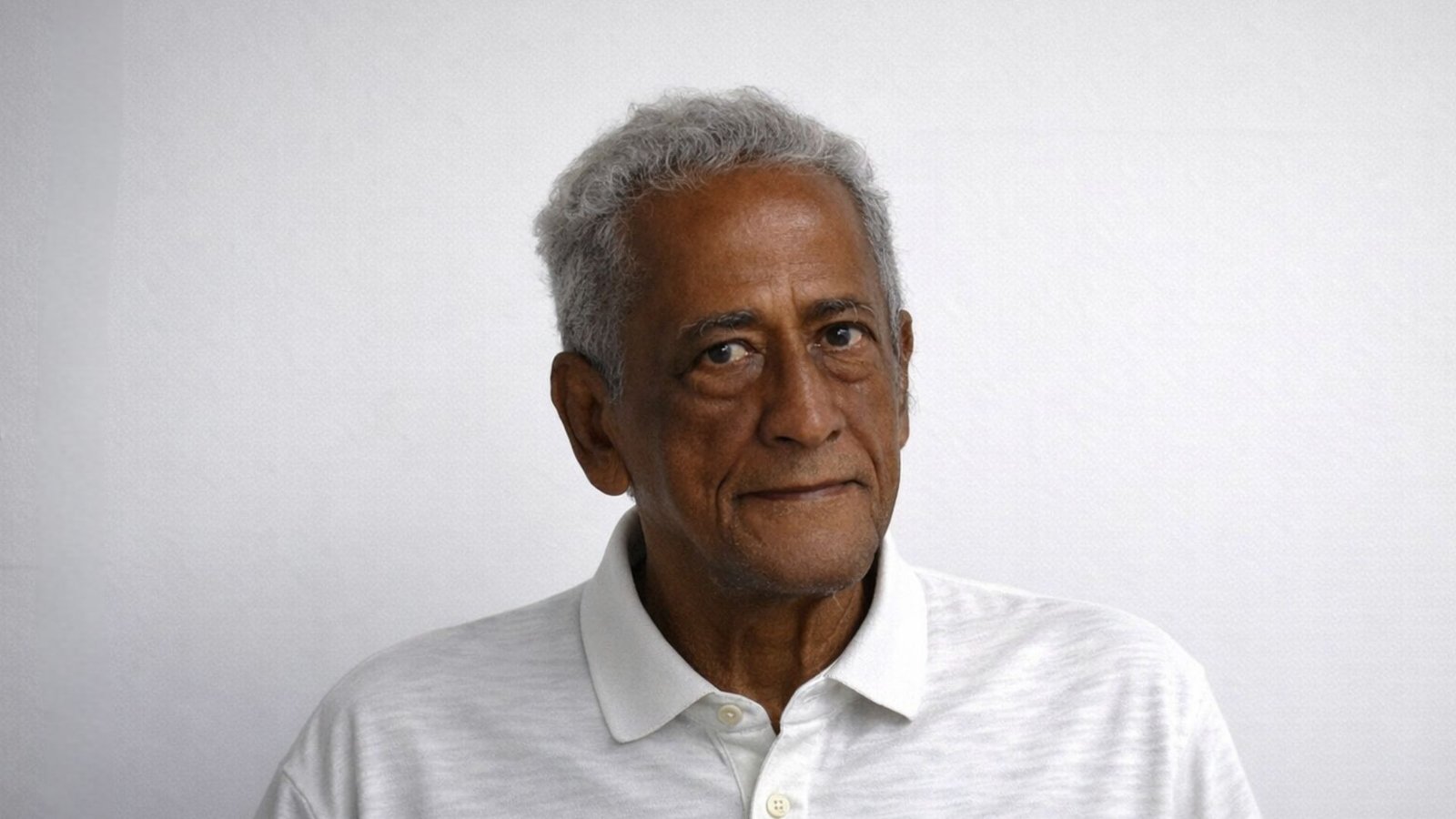
The military campaign against **Iran** has lasted significantly longer than anticipated by both **Trump** and **Israeli Prime Minister Benjamin Netanyahu**. The destruction in Iran has reached catastrophic levels, yet the country has shown no signs of surrender — a fact that local commentator **Franky King** argues should prompt deeper consideration of the geopolitical dynamics at play.
Writing in a recent opinion piece, King suggests that Iran’s resilience points to backing from one or more global powers. He notes that it is difficult to understand why the United States and Israel behave as if Iran stands alone and must capitulate. Iran holds treaties with both **Russia** and **China**, making its continued resistance a logical outcome rather than a surprise.

King questioned Trump’s public statement that he did not expect Iran to close the Strait of Hormuz, calling it implausible. He argued that any reasonable observer could have predicted such a response, given that the conflict began with a surprise attack involving dual military power, widespread destruction, and the elimination of Iran’s leadership — all without accounting for Iran’s strategic alliances.
The closure of the Strait of Hormuz is not only a predictable move, King notes, but Iran can also rely on military support from Russia and the Asian giant. Both Trump and Netanyahu, in King’s view, are putting the entire global economy at risk while gambling with the fate of humanity itself.
King also pointed out that the United States has already attacked Iran twice while both sides were at the negotiating table, and Trump is once again threatening violence if Iran does not back down. He criticized the decision to send the same negotiators to talks with Iran, despite Iran having already rejected the idea of negotiating with those individuals.
On the domestic political front, King observed that **Vice President J.D. Vance** is not part of the negotiation team, which King interprets as Trump’s desire to personally select the next Republican presidential candidate for the 2028 election. Vance, in King’s view, is being kept at a distance to avoid sharing the spotlight.
The broader implications of the conflict continue to reverberate across global markets, with oil prices and shipping routes directly affected by the Strait of Hormuz blockade. International observers remain watchful as diplomatic efforts appear stalled amid escalating military actions on multiple fronts.


















Discussion about this post