


Two weeks ago, on November 25, 2025, CAft issued its reaction to the third-quarter 2025 Execution Report (UR), which was published on November 28. CAft expressed strong approval of Aruba’s financial progress, comparing January–September 2024 with the same period in 2025.
The report highlights CAft’s praise for both Wever-Croes Cabinets (1 and 2), and acknowledges that Geoffrey Wever, from the Eman–Croes 1 Government, continued the vision and financial management set by the second Wever-Croes Cabinet. This approach has contributed to Aruba maintaining sustainable and solid public finances.
At the end of 2024, Aruba closed the year with a 500 million florin surplus, which the previous government left behind for the new administration. CAft also noted that by September 2025, Aruba recorded a surplus equal to 6% of GDP, totaling 473 million florins, for the collective sector.

Higher-than-expected tax revenues, resulting from steady economic growth, helped Aruba meet the LAft Article 14(1)(b) requirement of maintaining at least a 1% surplus. CAft further advised the government to use “extra revenues” wisely—particularly to repay national debt and reduce interest costs.
National Debt Decreasing Faster Than Expected
Aruba’s national debt has decreased significantly, at a pace described as unprecedented—even compared to the Netherlands. Aruba’s debt development can be divided into two phases:
- Pre-COVID period:
Under the Eman 1 and 2 Cabinets, the country borrowed 2.2 billion florins to cover budget deficits, doubling the national debt without an economic crisis. Aruba’s debt-to-GDP ratio rose to 92%, placing the country at risk of bankruptcy. - COVID-19 period:
Aruba then borrowed 916 million florins in COVID loans during 2020, raising the debt-to-GDP ratio to 116%.
Thanks to the orderly vision and hard work of Evelyn Wever-Croes, Xiomara Maduro, and their team, Aruba implemented a recovery plan recognized by the IMF in its 2022 and 2023 reports. By the end of 2024, Aruba’s debt decreased from 116% to 69% of GDP. A significant achievement for the island.
CAft forecasts that by the end of 2025, Aruba’s national debt will fall to 63%, and if the same approach continues, the debt-to-GDP ratio will reach 47% by 2029, which is 11 years earlier than initially required under LAft Article 14(1)(c), which sets a 2040 target for reaching 50%.
No Need for Rijkswet, Says Endy Croes
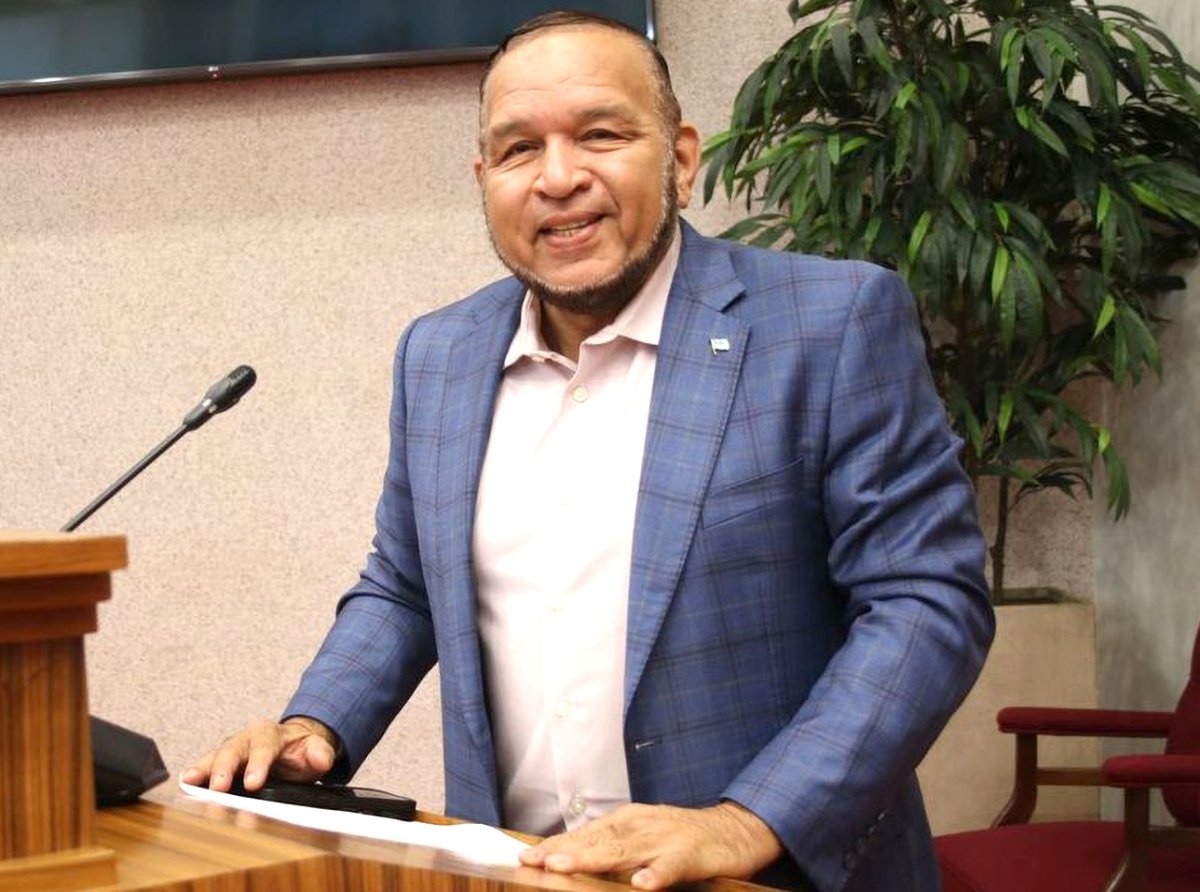
Parliamentarian Endy Croes questioned why the new government led by Mike and Gerlien would surrender autonomy at a time when Aruba’s financial figures are improving.
He asked: “What is the value of a Rijkswet at this moment?”
He emphasized that thanks to the strong foundation built by the Wever-Croes Cabinets, Aruba is now enjoying stable and positive financial results.
“With CAft praising Aruba’s recovery, we do not need a Rijkswet that allows The Hague to make decisions for us. We are capable of managing our own affairs,” Croes stated.
Photo credits : https://diario.aw/categories/noticia/general/endy-croes-a-mira-caft-gabando-maneho-di-gabinete-wever-croes