


In the Regulation on Tax Treatment for Secondary Labor Benefits, various topics are addressed, explaining the fiscal impact. Among other things, an additional sum is provided for the use of a company car, which is considered a labor benefit. There are also tax-free compensations for expenses related to private cars or personal phones used for work purposes. Additionally, there are regulations for payments, tax-free, to cover employee expenses related to maintaining or improving their health, whether through gym memberships or other physical or mental health improvements. The regulation also covers expenses related to enhancing employees’ knowledge.
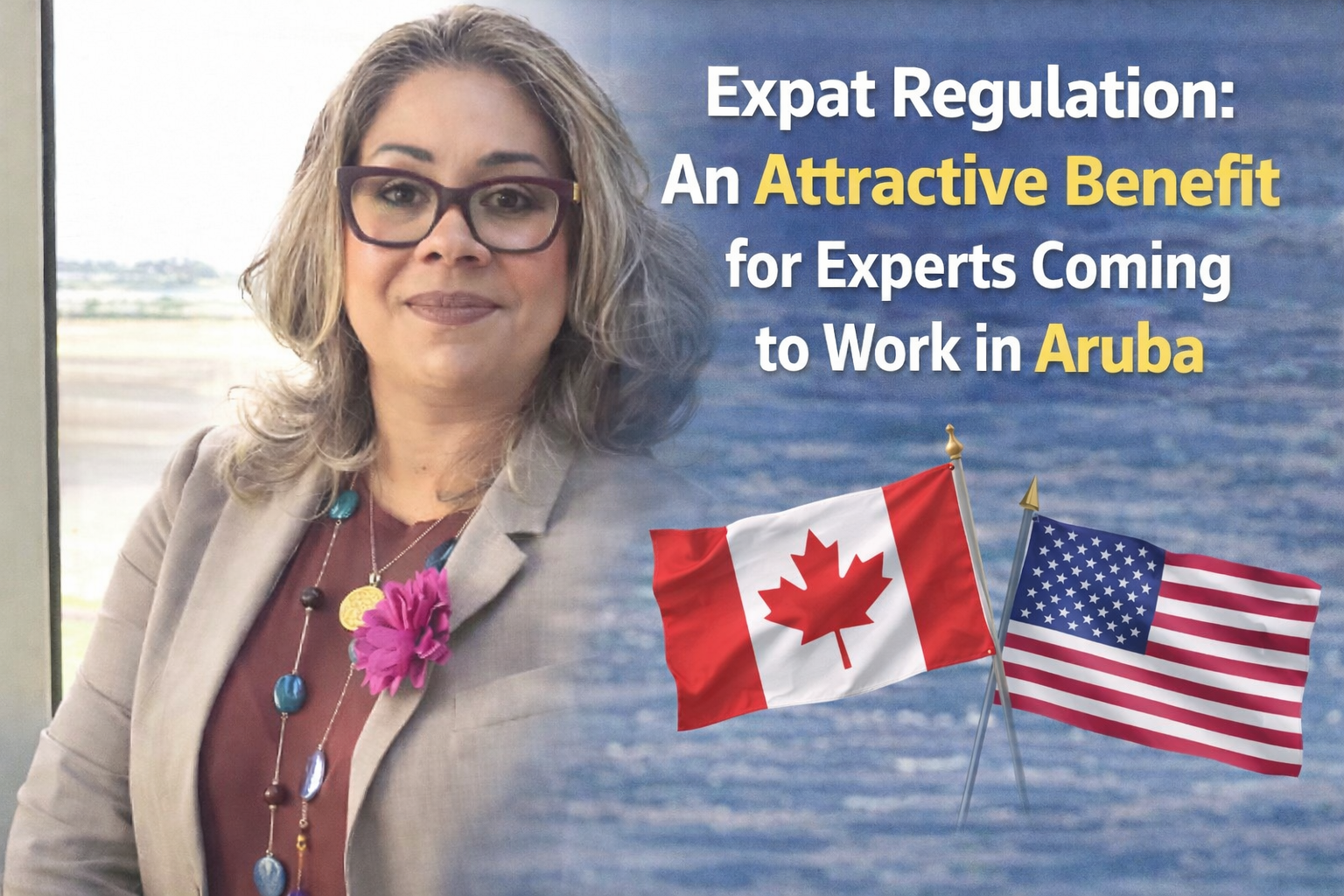
Luenne Gomez-Pieters, Director of the Tax Department, explained in a recent interview with DIARIO that the ‘Expatregeling’ (Expat Regulation) is one of the benefits governed by this regulation. When discussing the expatregeling, an employer must be involved. According to the regulation, students living abroad for five years before starting work in Aruba, who have experience and an HBO qualification, can apply for the expatregeling. They can apply within four months after starting their employment in Aruba. The employer makes the request to the tax inspector. Both the employer and employee must sign the request.
Gomez-Pieters provided a list of documents that must be submitted, including the expatriate’s CV, copies of diplomas and certifications, residence permits, and a copy of the employment agreement to confirm employment with the company. This, she explained, is an existing process that has recently been expanded to accommodate other types of experts and local professionals wishing to return to Aruba and take advantage of this regulation.

She also elaborated on the tax benefits associated with the expatregeling for students living abroad. These compensations, whether in kind or cash, are tax-free as long as they do not exceed 20,000 Florins per year. For employers who pay certain amounts to cover school expenses for the children of expatriates, these payments are tax-free up to a maximum of 25,000 Florins per child.
These are some of the tax benefits regulated in this regulation. These secondary compensations are designed for employers to attract experts with five years of experience, making it more appealing for them to come to Aruba and work in their company. This is another expert we are bringing to Aruba,” stated Gomez-Pieters.
















Discussion about this post