


Aruba’s short-term vacation rental registration opens November 1, 2026, with a January 31, 2027 deadline for owners seeking consideration under the government’s temporary non-enforcement framework. The registry announcement sets out who should apply, what must be registered and why registration is not the same as a permit.
This owner’s guide expands on our earlier report on the launch, drawing on the published Vacation Rental Registry guidance.
Who is the registration window for?
The announcement identifies three groups: owners operating short-term rentals before the ROPV planning rules took effect in 2021; owners who began operating after those rules took effect but before November 1, 2026; and owners not yet operating who can demonstrate significant investments or commitments made before November 1, 2026.

The government describes registration itself as voluntary. However, registering within this initial window is necessary for a unit to be considered in the evaluation process described by the framework. It should not be confused with a blanket legal requirement to join the new registry or with automatic permission to operate.
Register each unit separately
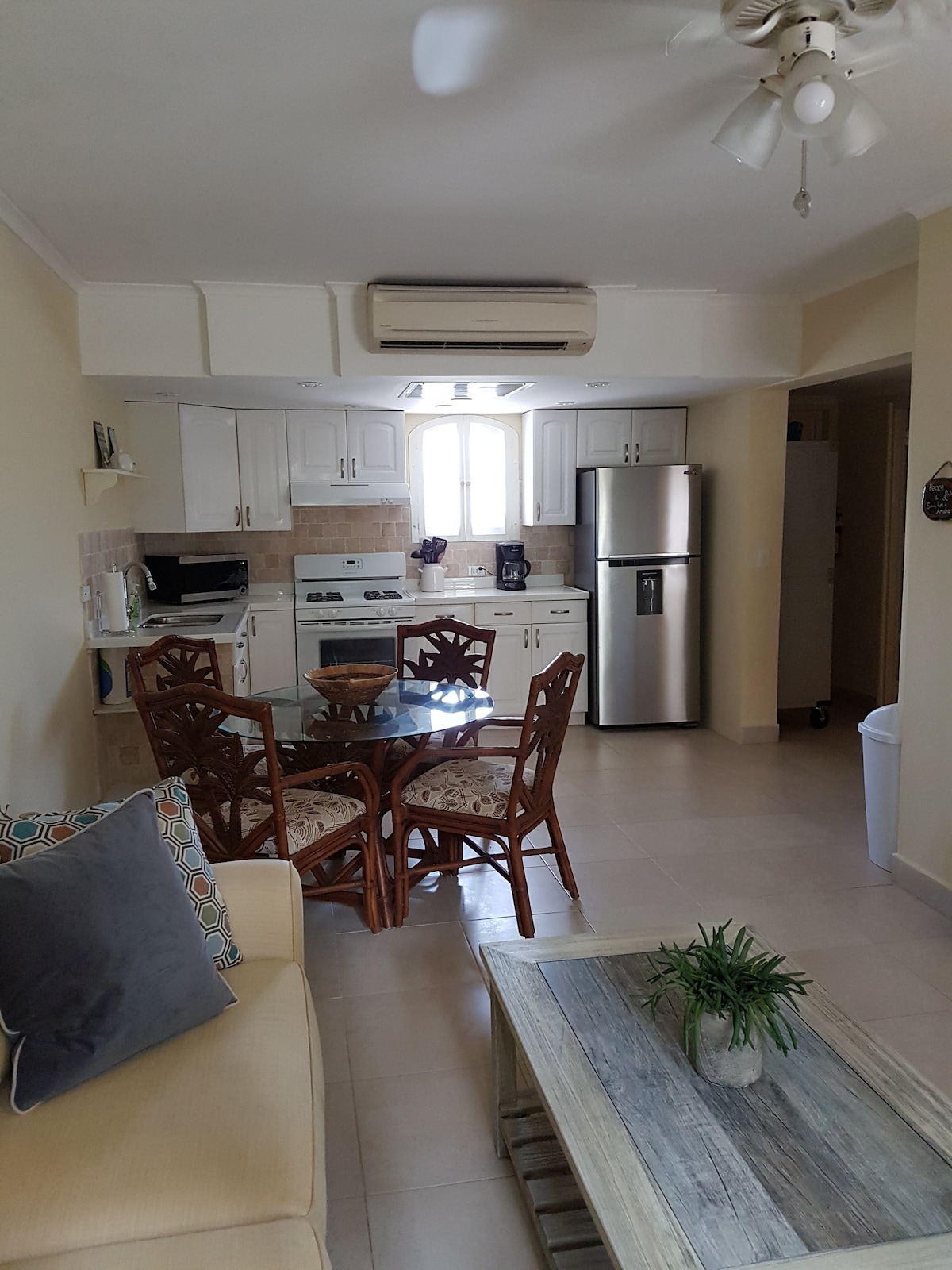
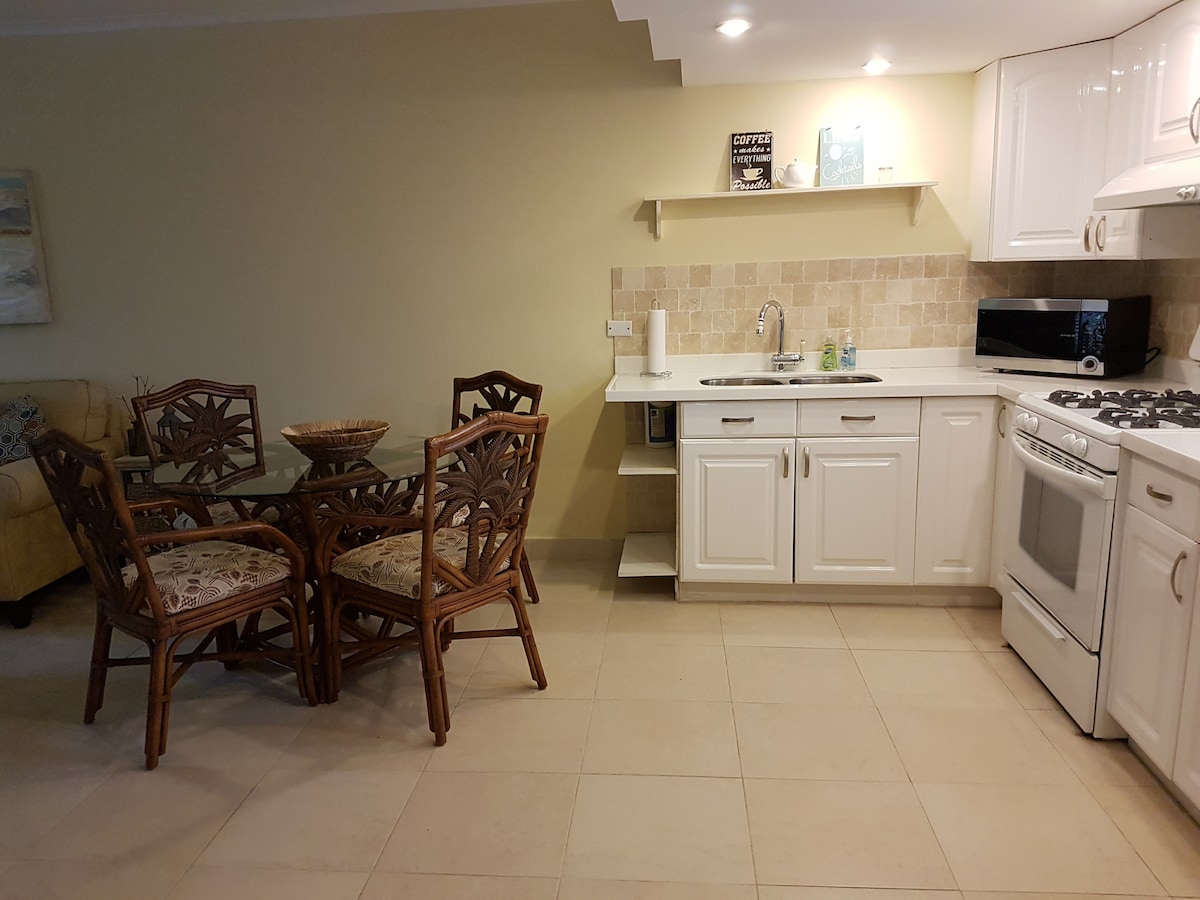
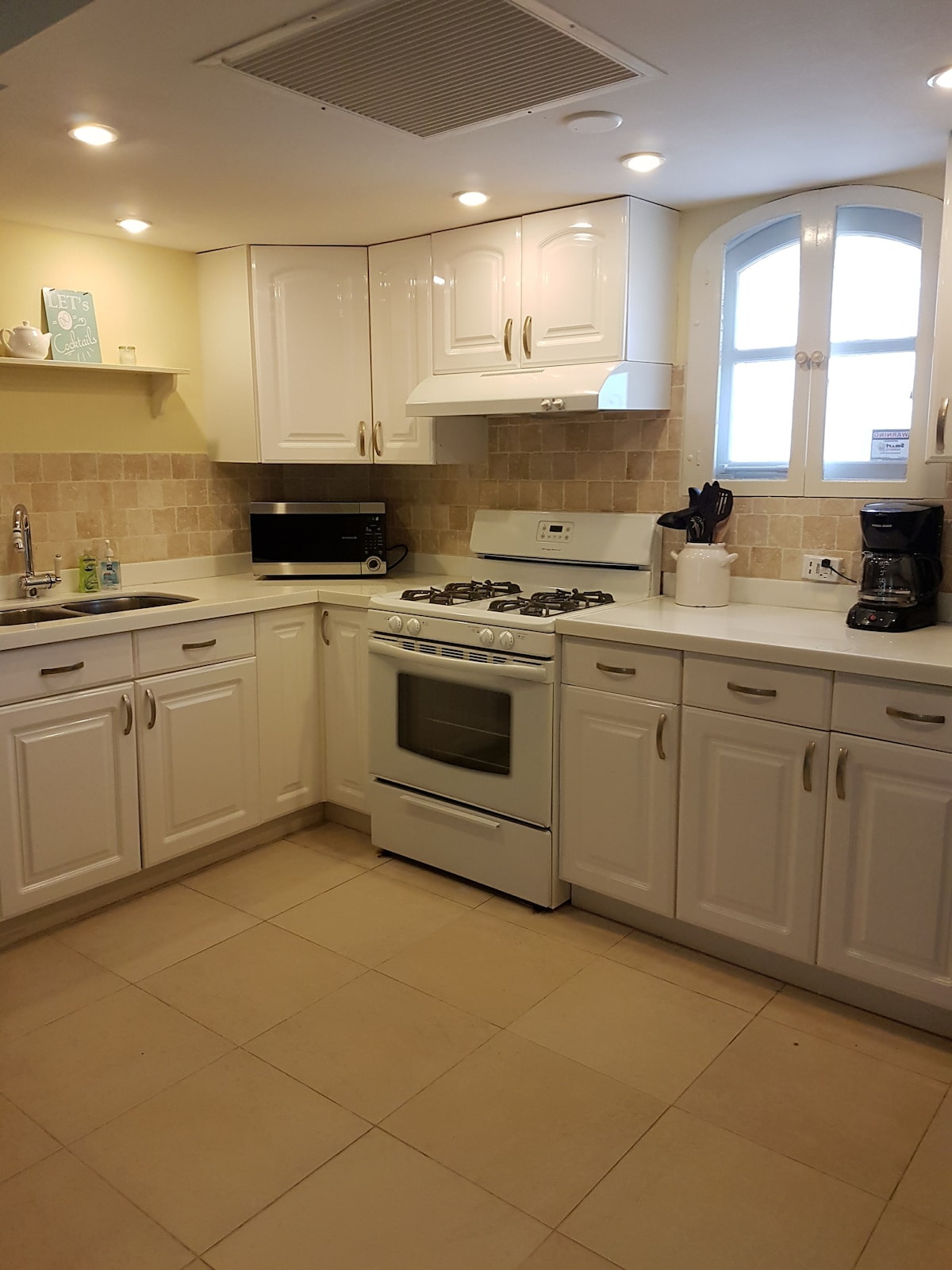
The guidance covers short-term rental accommodation including apartments, studios, villas, condominiums, guesthouses and cabins. Every rental unit must have its own registration, even when multiple units share one building or address. Owners with properties at different addresses must register each individually.
Successful registration generates a unique identification number for each unit, intended for compliance, monitoring and promotion.
Two phases: registration, then evaluation
Phase one runs from November 1, 2026, through January 31, 2027. Owners have this three-month period to register and provide underlying and supporting documents.
Phase two is evaluation. According to the announcement, only units registered during phase one will be eligible for evaluation and may qualify for a path to legalization under amended planning rules and a future permit system, once those are in place.
Registration does not legalize a rental
The registry explicitly warns that registration creates no entitlement to other permits or licences. It does not equal or guarantee legalization or a permit. Qualifying registered operations may continue during evaluation only subject to the temporary framework’s conditions; this is not an unconditional exemption.
The announcement explains that the current ROPV planning rules limit certain tourist uses of houses and apartments under Article 4.3 to a maximum of 90 days a year, subject to requirements. It says longer tourist use falls outside that article and raises additional restrictions in residential zones. These statements describe the government’s published explanation, not a property-specific legal assessment.
The government says amendments to the ROPV and a future permit system are intended to create a path to compliance where legally possible and responsible. Registration gathers information for that process; it does not mean those amendments or permits already exist.
Where to register
Visit the registration portal and read the full framework guidance. Owners should prepare evidence relevant to their operation or pre-November 1 investments and follow the portal’s document requirements. The deadline stated in the announcement is January 31, 2027.
Sources: Vacation Rental Registry announcement, checked October 31, 2026; NoticiaCla’s October 30 report, which independently reports the launch dates, voluntary registration and conditional evaluation. This guide is general reporting, not a determination of any individual property’s eligibility.
Image: Conceptual editorial illustration from ArubaNews’ related coverage; not a photograph of a specific rental or the actual registration portal.