

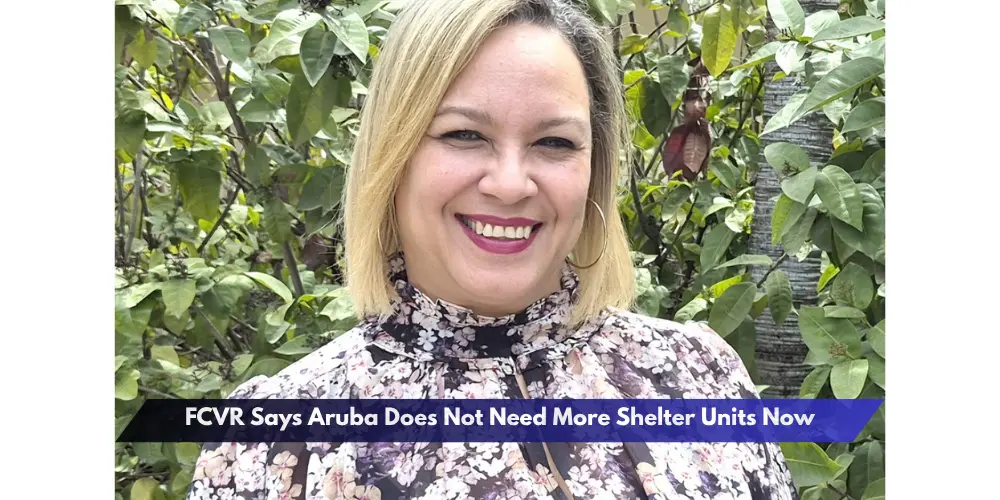
ORANJESTAD, Aruba – Aruba Shelter Capacity at Fundacion Contra Violencia Relacional (FCVR) is currently sufficient, according to Director Esther Broeksema, who says the organization does not presently need to increase its existing 16 shelter units despite continued population growth on the island.
Broeksema explained that FCVR originally began operating with only five shelter units. Over time, the organization determined that additional space was necessary to better respond to the needs of clients requiring temporary refuge.
As a result, another 11 shelter units were eventually added, bringing FCVR’s total capacity to 16 units.

According to the director, the organization has never experienced a prolonged period in which all 16 units were occupied simultaneously.
There have been periods when approximately 14 units were occupied at the same time, but Broeksema said those higher occupancy levels did not continue for an extended period.
For that reason, she believes the current number of units remains sufficient to meet present demand.
The Aruba Shelter Capacity discussion is also connected to the purpose of the facility itself.
Broeksema emphasized that the shelter is intended to function as a temporary refuge, rather than as permanent housing for clients.
During their stay, individuals receive guidance and support designed to help them regain stability, strengthen their independence and prepare for a future outside the situation of violence they were experiencing.
The objective is therefore not simply to provide accommodation, but to help clients gradually become more self-sufficient.
According to FCVR, this approach means shelter units should remain part of a broader support process that includes guidance and empowerment.
Broeksema said that while the existing number of units is currently adequate, the facilities themselves require improvement.
She explained that all 16 shelter units need renovation so they can better meet the current needs of clients using the service.
The Government of Aruba has already provided the necessary funding for the renovation project.
According to Broeksema, the contractor selected to carry out the work is ready to begin, and the project is now expected to move forward according to schedule.
If the renovation proceeds as planned, FCVR expects the work to be completed by the end of 2026.
The upgrades are intended to make the shelter environment more appropriate for clients while maintaining the capacity that FCVR currently considers sufficient.
The Aruba Shelter Capacity therefore remains focused on improving the quality of existing facilities rather than expanding the number of available units at this stage.
Broeksema’s comments indicate that FCVR continues to monitor demand and occupancy while also focusing on the condition and suitability of the shelters.
The organization’s experience suggests that available capacity has generally been able to accommodate clients without all units remaining full for extended periods.
At the same time, FCVR recognizes that shelter services need to remain responsive to the needs of people experiencing relational violence.
The planned renovation represents the next major step in improving those services.
With government funding secured and the contractor ready to begin, FCVR expects its 16-unit shelter system to receive upgrades that will make the facilities better suited to clients while preserving their role as temporary places of safety and support.
For now, Broeksema says there is no immediate need to add more units, but improving the existing shelters remains a priority.