



The Monumento Plaza 18 di Maart Aruba stands as a national symbol honoring the struggle and self-determination of the Aruban people. The monument commemorates March 18, Aruba’s National Day, and recognizes the historic efforts that led to the island’s path toward autonomy.
The Monumento Plaza 18 di Maart Aruba reflects the early movement for political representation that began in the early 1900s, when Aruba was still a colony within the Kingdom of the Netherlands. During that period, many Arubans began advocating for a stronger voice in governing their own affairs and determining the island’s political future.
Historic Petition for Autonomy
One of the most significant milestones in Aruba’s struggle for autonomy is permanently recorded at the Monumento Plaza 18 di Maart Aruba. Between September 28, 1947, and January 11, 1948, political leader Jan Hendrik Albert (Henny) Eman, together with his son Cornelis Albert (Shon A.) Eman and Aristides Wever, organized 42 public meetings across the island.

The goal was to gather signatures supporting Aruba’s desire for greater political autonomy within the Kingdom of the Netherlands.
At the time, many homes on the island did not have electricity. Community meetings were held at night and illuminated by lanterns so that a notary present could verify each signature properly.
The campaign successfully collected 2,147 signatures, representing a significant majority of citizens with voting rights. This effort became a powerful demonstration of the Aruban people’s determination to pursue self-determination.
Motion Presented in the Netherlands
After years of advocacy, Aruban leaders carried the petition to the Netherlands. On February 18, 1948, the young lawyer and parliament member Shon A. Eman presented the petition to Queen Wilhelmina of the Netherlands.
One month later, on March 18, 1948, during a Round Table Conference in The Hague, Shon A. Eman formally introduced a motion recognizing Aruba’s right to pursue autonomous status within the Kingdom.
The motion successfully convinced representatives from the Netherlands, Curaçao, and Suriname that Aruba deserved the right to self-determination. The conference adopted the motion unanimously, marking the first official recognition of Aruba’s right to determine its own future.
Path Toward Status Aparte
This historic decision laid the legal and constitutional foundation for Aruba’s journey toward Status Aparte, which was officially achieved on January 1, 1986.
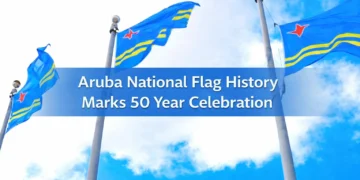
Because of the significance of the date, March 18 was chosen as Aruba’s National Day. The date also commemorates other historic milestones, including the introduction of Aruba’s national anthem and flag on March 18, 1976.
To honor this historic struggle, the Monumento Plaza 18 di Maart Aruba was inaugurated on March 18, 1996. The monument features the engraved names of all 2,147 Aruban patriots who signed the historic petition, alongside the text of the motion presented in The Hague and a bust of Shon A. Eman.
Upcoming National Ceremony
As part of the national celebrations, a protocol ceremony will take place on March 16 from 5:00 PM to 7:00 PM at the Monumento Plaza 18 di Maart Aruba, honoring the island’s history, the struggle of the Aruban people, and the deep meaning of March 18 for Aruba.















Discussion about this post