


ORANJESTAD, Aruba — The Aruba Visitor Flow Strategy is directing greater attention toward attractions away from the island’s busiest beaches as tourism officials seek to reduce congestion and improve the experience of residents and visitors.
Aruba Tourism Authority CEO Ronella Croes said ATA is monitoring visitor volume and investing in different parts of the island to encourage tourists to explore destinations beyond the most heavily visited coastal areas.
The approach is known within tourism management as visitor flow management. It involves guiding visitors toward a broader selection of attractions rather than allowing activity to remain concentrated in only a few locations.

Residents’ Experience Remains Important
Croes said Aruba’s visitors generally remain satisfied with the destination, but ATA is also hearing concerns from residents who are less satisfied with the effects of tourism.
She said the community must remain central to tourism planning because residents’ quality of life is closely connected to the long-term health of the industry.
ATA’s wider strategy identifies community wellbeing, environmental protection and quality-driven tourism as important priorities. The authority operates according to a “High Value–Low Impact” approach intended to increase tourism’s value while reducing pressure on communities and natural resources.
Croes did not provide figures showing how many residents are dissatisfied or identify a newly completed public-opinion survey during the interview.
Beach Congestion Requires Active Management
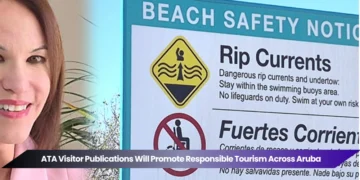
The concentration of large numbers of visitors at the same beaches and during the same periods remains an important concern for ATA.
Crowding can affect available space, parking, traffic, sanitation and the experience of both tourists and local beach users.
Rather than responding only by promoting additional tourism growth, Croes said ATA must monitor volume, improve the tourism product and ensure development remains aligned with the island’s long-term vision.
She described the objective as stabilising growth, investing in quality and adjusting tourism strategies when necessary.
Bushiri Beach Possibilities Under Study
Croes said research is underway in the waters near Bushiri to examine possibilities for creating a beach area that is more comfortable and attractive for users.
The interview did not identify the organisation conducting the research or explain whether it includes water quality, currents, coastal engineering, sand movement or public facilities.
No final design, project budget, construction schedule or environmental approval has been announced.
Bushiri should therefore be described as a possible future development under study rather than a confirmed new beach project.
Investment Encourages Visits to Sero Colorado
ATA is also supporting development in Sero Colorado and San Nicolas as part of efforts to attract more visitors to Aruba’s southeastern region.
The Sero Colorado bunker project began in January 2026 and includes a walkway between historic coastal batteries and improvements intended to identify and interpret the site.
The project adds another cultural and historical experience to the San Nicolas area while helping preserve locations connected to Aruba’s Second World War history.
Croes said investments in Sero Colorado can help direct more visitor activity toward San Nicolas, potentially spreading tourism-related opportunities beyond the traditional hotel and beach areas.
The interview did not provide current visitor totals or an estimate of how much additional tourism the project could attract.
Ayo Improvements Add Information for Visitors
ATA has already completed visitor-experience improvements at Ayo Rock Formation.
The project introduced two themed walking routes:
- The Explorer’s Trail, called “A Stroll Thru Time”;
- The Muser’s Trail, called “Always a Sweet Life.”
New signs provide information in Papiamento and English, while Spanish and Dutch translations are accessible through QR codes.
The trails include information about local plants, geological features, pictographs and Aruba’s cultural history.
These additions allow visitors to do more than photograph the rock formations. They provide context intended to deepen understanding of the location while encouraging responsible use and preservation.
Nature-Based Attractions Require Careful Planning
Croes said ATA is also working with the Aruba Conservation Foundation to explore attractions that could provide new experiences while respecting the island’s natural environment.
No individual attraction, location or development agreement was identified in the interview.
Any future nature-based tourism initiative would need to consider ecological capacity, visitor behaviour, access, safety and the protection of sensitive habitats.
ATA’s long-term tourism strategy places environmental stewardship and cultural preservation alongside economic benefits and visitor satisfaction.
Tourism Authority Expands Destination-Management Role
ATA operates as Aruba’s Destination Marketing and Management Organisation.
Its responsibilities extend beyond advertising Aruba internationally. They also include coordinating tourism development, partnerships and the management of the destination itself.
Visitor flow management fits within that broader role because it involves how tourists move around Aruba after arriving on the island.
Encouraging visitors to explore Ayo, Sero Colorado, San Nicolas and other areas may also help distribute tourism spending among more communities and businesses.
However, additional visitors can create pressure in new areas when infrastructure, parking, sanitation and conservation measures are not prepared in advance.
Strategy Focuses on Quality Rather Than Unlimited Growth
Croes said ATA does not view Aruba’s tourism industry as unsuccessful. Visitor satisfaction remains strong, but the authority believes the destination must continuously evaluate whether tourism growth remains balanced.
ATA’s 2025–2035 corporate strategy prioritises quality-driven rather than volume-driven tourism, community wellbeing and protection of the island’s natural and cultural resources.
The Aruba Visitor Flow Strategy reflects that approach by attempting to reduce pressure on popular beaches while strengthening attractions in other districts.
Further details are still required concerning the Bushiri study, future projects with the Aruba Conservation Foundation and the measurable impact of investments in Ayo and Sero Colorado.
Croes said continued monitoring, community involvement and improvements to Aruba’s tourism product will be necessary to maintain a strong destination without allowing growth to become disproportionate.