

ORANJESTAD (AAN): The idea that Oil Storage Could Become Second Economic Pillar Aruba is gaining attention after discussions between labor unions and political representatives about new economic opportunities for the island.
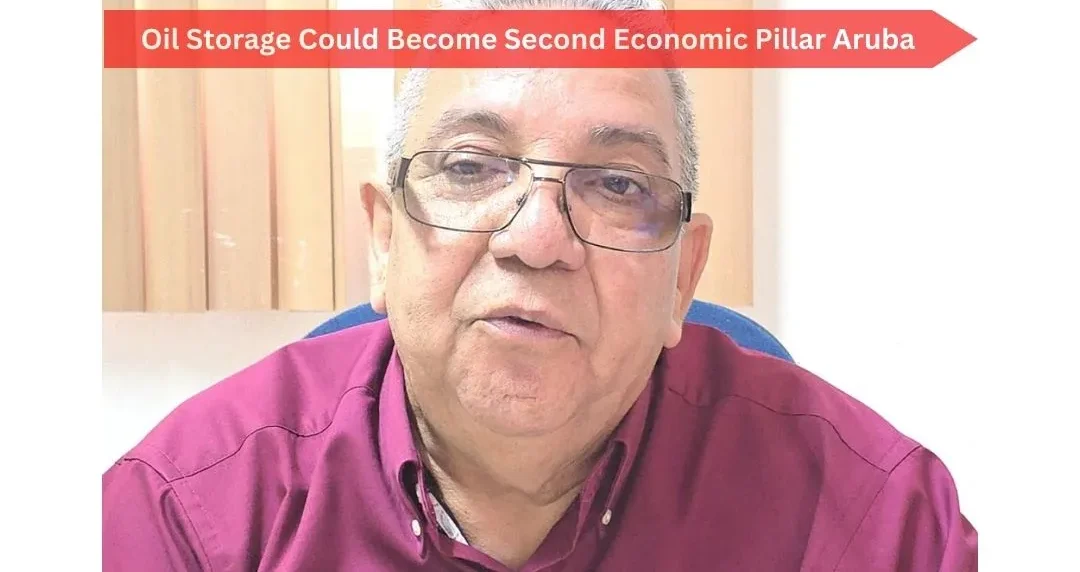
According to Edsel Figaroa, President of the labor union TOPA, Aruba has the potential to diversify its economy by making use of existing oil storage infrastructure. Figaroa shared this perspective following a meeting held on February 14 with representatives from the political party Movimiento Electoral di Pueblo (MEP), where unions were invited to discuss economic developments related to the oil sector.
The discussion focused on the processing and movement of crude oil linked to operations in Venezuela and how Aruba could benefit from related storage and logistical opportunities.

Figaroa emphasized that Aruba currently depends heavily on a single economic pillar—tourism. While tourism has been successful, the experience during the COVID-19 pandemic demonstrated how vulnerable a single-sector economy can be.
“The island needs a second economic pillar,” Figaroa explained. “Tourism is strong, but it is also fragile if something unexpected happens. Oil storage could provide an additional opportunity for Aruba’s economy.”
The Oil Storage Could Become Second Economic Pillar Aruba discussion centers around the availability of oil storage tanks on the island. According to Figaroa, Aruba currently has 17 storage tanks, of which seven are fully operational, while ten require inspection or repairs before they can be used again.
Industry information indicates that Aruba’s storage infrastructure historically supported the island’s refinery operations and oil logistics network. The refinery complex once included dozens of storage tanks with millions of barrels of capacity, reflecting the island’s past role as a major oil hub in the Caribbean.
Figaroa noted that the investment required to repair or prepare the tanks for storage operations could be relatively small compared with the economic benefits that might be generated through storage services.
The union leader also stated that TOPA supports initiatives that create employment opportunities for local workers regardless of political affiliation.
“We support initiatives from any political party if they help create jobs for workers in Aruba,” Figaroa said.
During the meeting, participants also discussed the possibility of reviving certain energy-related activities linked to the refinery infrastructure. However, Figaroa clarified that a full restart of refinery operations would require major investment and may not be realistic at the moment.
Instead, discussions have focused on more affordable and practical alternatives, such as using the existing infrastructure for crude oil storage and logistical services.
According to Figaroa, technical experts have presented ideas and systems that could allow Aruba to participate in regional oil logistics without needing to rebuild the refinery completely.
If implemented successfully, the Oil Storage Could Become Second Economic Pillar Aruba initiative could help diversify the island’s economy while generating employment and strengthening its role in regional energy logistics.
















Discussion about this post