

Aruba Tourism Authority (ATA) leaders say Canadians increasingly want to travel responsibly — but many feel the travel industry is not giving them the necessary tools or guidance. During a recent visit to Toronto, Ronella Croes, CEO of ATA, and Sjeidy Feliciano, Area Director for North America, shared new research highlighting a global shift toward mindful and responsible travel.
According to ATA’s findings, 96% of travellers believe responsible tourism should be the norm, yet 77% feel the tourism industry has not offered enough support or clear options. In Canada, only 16% of travellers feel they receive adequate guidance to make more sustainable choices.
Croes stressed the opportunity for improvement:
“Canadians want options, communication, and clarity around the cost of contributing — and still, 69% are willing to contribute financially to support responsible tourism.”

A Strategic Shift for Aruba
With 70% of Aruba’s GDP tied to tourism, the island has been transitioning toward a sustainable tourism model designed to protect both the community and visitor experience. Aruba hosts 1.2 million stayover visitors and nearly 900,000 cruise passengers annually, placing pressure on local infrastructure.
The island’s new tourism message — “When You Love Aruba, It Loves You Back” — focuses on respect, mindfulness, and shared responsibility between visitors and locals.
Growing Canadian Market
Canada is Aruba’s second-largest tourism market, generating around 70,000 arrivals annually. Canadian arrivals are up 10% year-over-year, with most visitors flying from Toronto. Many Canadians also stay in alternative accommodations, with 42% choosing non-hotel options, a much higher percentage than other markets.
Hotels, Airlift, and New Developments
ATA expects Canadian airlift to increase next year. Aruba continues to diversify its hotel offerings while maintaining a law that limits all-inclusive resorts to 40% of total hotel inventory, ensuring balance and protecting the local economy.
New developments include:
- Secrets at Baby Beach, a new all-inclusive option
- 152 new rooms recently added across other properties
- Iberostar’s Joya, the brand’s first EP (non-all-inclusive) concept in Aruba
“We’re intentional about fostering new experiences without becoming a fully all-inclusive island,” Croes explained.
Experiential, Nature-Based and Wellness Tourism Expands
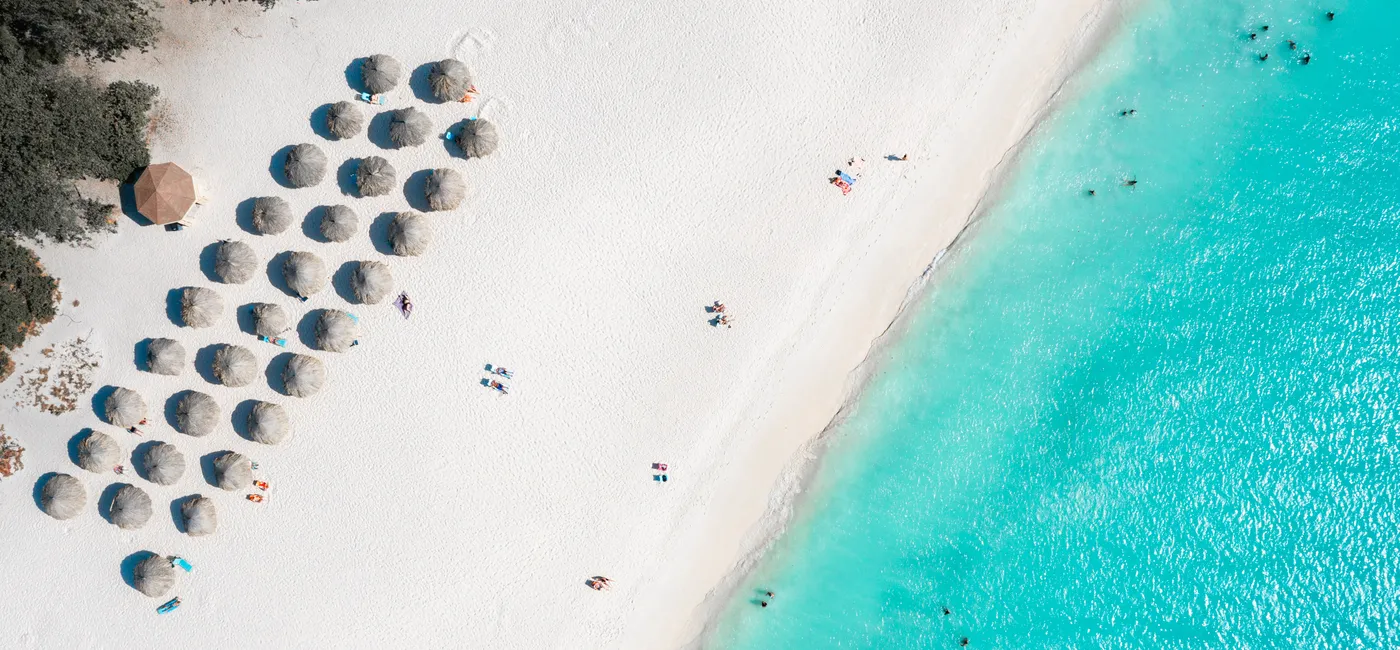
Feliciano highlighted that Canadians are seeking slower, more meaningful travel experiences centered around nature and wellness. Aruba’s landscape — a mix of desert, coast, and natural pools — offers unique grounding experiences such as yoga on the beach, hiking, and guided nature tours.
Aruba’s National Park covers 25% of the island, offering more than 50 km of biking and hiking trails. Wellness tourism, weddings, and culinary events continue to grow.
Climate Resilience at the Heart of Tourism
Aruba is also preparing for long-term climate risks. The island recently launched a National Climate Resilience Council, completed a Risk Vulnerability Index, and introduced climate impact atlases mapping the effects of rising temperatures.
Since 1955, Aruba’s temperature has risen by 1°C, with projections indicating further increases without intervention.
Croes emphasized:
“Tourism must play a role in climate action — it is not separate from tourism; it is part of tourism.”
The Aruba Promise
Central to the island’s strategy is the Aruba Promise, a pledge inviting visitors to respect the environment, slow down, and travel mindfully. The promise reflects Masha Danki — a spirit of gratitude toward Aruba’s people, land, and wildlife.
Photo Credits : https://www.travelpulse.ca/news/destinations/when-you-love-aruba-it-loves-you-back-aruba-pioneers-mindful-tourism-for-canadians